
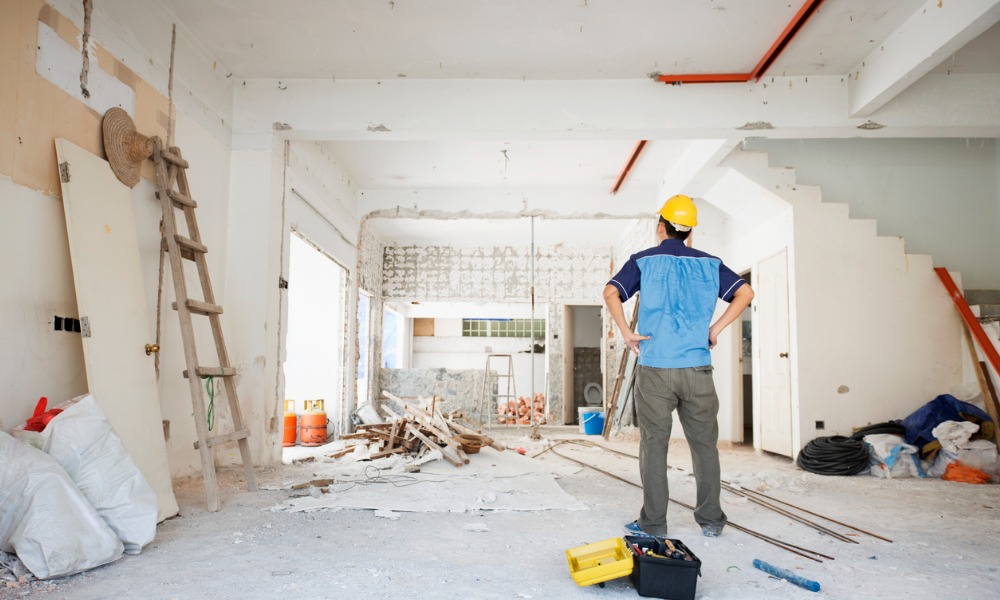
Phase 1: Defining Your Vision and Scope
The journey of any successful home renovation begins long before the first hammer swings. It starts with a clear vision and a well-defined scope, differentiating between a simple refresh and a transformative overhaul. This initial phase is crucial for laying a solid foundation for the entire project, ensuring that every subsequent step aligns with your overarching goals.
Renovation vs. Remodeling: Understanding the Difference
Often used interchangeably, “renovation” and “remodeling” actually describe distinct processes, and understanding this difference is an essential first step. A renovation typically involves updating or restoring an existing space without significantly changing its structure. Think repainting, replacing fixtures, or updating surfaces. It’s about refreshing what’s already there. A remodel, on the other hand, involves changing the structure or layout of a space. This could mean moving walls, altering room functions, or adding an extension. It creates something new from something old. Knowing which path you’re on helps clarify the scale, budget, and types of professionals you’ll need.
The Essential First Steps in Home Renovation Planning
Before delving into the specifics, we encourage homeowners to engage in thoughtful introspection. What truly drives your desire for change? Are you seeking purely aesthetic upgrades, functional improvements, a value-add for resale, or a combination? As Noor Property Group suggests, clearly defining these goals is paramount.
We recommend starting with a series of goal-setting worksheets to articulate your vision. These should cover:
- Functionality Improvements: What aspects of your home’s current layout or features hinder your daily life? Perhaps a cramped kitchen, an inefficient bathroom, or a lack of storage. Focus on how the renovation can improve your day-to-day experience of living in your home, considering the use of space, light, brightness, and movement of people.
- Aesthetic Goals: What style are you aiming for? Modern, traditional, minimalist, or something unique? Gather inspiration from magazines, online platforms, and showrooms. This helps create a cohesive design language.
- Lifestyle Impact: How will the changes accommodate your current and future lifestyle? Are you planning for a growing family, aging in place, or a dedicated home office? Assessing your future needs ensures the renovation remains relevant for years to come.
- Creating a Wish List: This list should detail specific features you’d like to include, categorizing them into “must-haves” and “nice-to-haves.” This prioritization is vital for budget management later on.
This detailed planning helps prevent many common renovation problems, which are often a direct result of poor planning. It also allows everyone in the household to contribute, ensuring all needs and inconveniences are considered.
Is the Renovation Worth It?
A critical question to answer early on is whether the renovation is truly worth the time, effort, and financial investment. This assessment goes beyond mere cost and digs into personal satisfaction and potential property value.
- Personal Satisfaction and Long-Term Enjoyment: Will the changes significantly improve your quality of life and enjoyment of your home? Sometimes, the emotional return on investment outweighs the financial.
- Functional Improvement: Will the renovation solve persistent problems and make your home more livable? For instance, a well-designed kitchen can transform daily routines.
- Property Value: If resale is a consideration, research which renovations offer the best return on investment in your area. Projects like kitchen and bathroom remodels, as well as exterior upgrades like roofing and siding, often yield significant value. However, it’s crucial to ensure the changes you make will add value in significant excess of what you’ll be spending.
- Comparing to Moving Costs: In some cases, a large-scale renovation might approach the cost of moving to a new home. Consider whether it’s more cost-effective to make your current property “your own” or to seek a home that already aligns with your tastes.
Realistically, a large renovation, including planning, can take anywhere from six months to a couple of years. This timeline necessitates careful consideration of whether now is the right time to begin or if waiting a few months to ensure finances are in order would be more prudent. As Jon Grauman advises, “There’s no other way to make sure it’s the right path forward other than by doing as much planning as possible.” For those in the Tampa area considering comprehensive planning, resources like Tampa home renovation planning can provide valuable local insights.
Phase 2: Assembling Your Team and Navigating Legalities
Once your vision is clear and you’ve determined the renovation’s worth, the next crucial phase involves assembling the right team and carefully navigating the legal and regulatory landscape. This phase is where your detailed plan begins to take shape through professional expertise and adherence to local requirements.
Finding and Vetting the Right Professionals
The success of your renovation hinges significantly on the professionals you choose. We recommend interviewing a minimum of three experts for any major project. This allows you to compare bids, communication styles, and proposed approaches.
Here’s a list of questions to ask a potential contractor:
- Licensing and Insurance: What licensing do you have? Are you bonded and insured? (Crucial for protecting you from liability).
- Experience and Portfolio: Can you provide a portfolio of similar projects? How long have you been in business?
- Project Management: Do you work with project managers? How often do you provide updates?
- Billing and Tracking: How do you bill? How do you track billing?
- Timeline and Availability: When can you begin work? What does a timeline look like for this type of job and your availability?
- Subcontractors: Are you open to getting bids from multiple subcontractors to get the best price? How do you vet your subcontractors?
- References: Can you provide a list of recent client references? (Always speak with previous clients about their experience).
- Warranty: What happens if something goes wrong with the finished job a year after? What kind of warranty do you offer?
An excellent contractor is transparent, courteous, stays on schedule, respects your home, and delivers impressive results. They should be timely, communicative, and someone you genuinely get along with, as you’ll be working closely with them during what can be a stressful period. Be wary of low estimates that seem “too good to be true,” as these often lead to hidden costs and significant headaches down the line.
While some homeowners opt for a general contractor to oversee the entire project, others might choose specialty contractors for specific tasks (e.g., plumbing, electrical). For homeowners looking to simplify the management of a large-scale project, partnering with a firm that provides Total home renovation solutions can be an effective strategy, as they often coordinate all aspects from design to completion. For complex design elements or structural changes, an architect or interior designer can be invaluable. An architect is typically needed for structural changes, additions, or complex layout modifications, while an interior designer can help with space planning, material selection, and aesthetic cohesion. We advise against hiring an architect until you have a clear idea of your layout and needs, as their expertise is best used once the basic vision is established.
Understanding Contracts, Permits, and Building Codes
A renovation contract is your legal safeguard, protecting both you and your contractor. It should be comprehensive and leave no room for ambiguity.
Essential elements that must be included in a renovation contract:
- Parties Involved: Your name and address, and the contractor’s full business details.
- Detailed Scope of Work: This is paramount. It should clearly outline every task, material, and fixture included in the project. Generic scopes are a red flag and can lead to disputes.
- Payment Schedule: A clear breakdown of costs, payment milestones, and terms.
- Start and Completion Dates: Estimated start and completion dates, including provisions for delays.
- Change Order Process: A defined procedure for how changes to the scope of work will be handled, including cost adjustments and revised timelines.
- Warranty Information: Details on warranties for workmanship and materials.
- Proof of Insurance and Licensing: Confirmation that the contractor carries the necessary insurance (liability, workers’ compensation) and licenses.
Building codes and permits are non-negotiable aspects of any renovation project, especially those involving structural, electrical, or plumbing changes. Building codes ensure safety, structural integrity, and energy efficiency. Permits are official authorizations from your local municipality to proceed with work that falls under these codes.
We strongly advise homeowners to:
- Research Local Requirements: Familiarize yourself with your specific municipality’s building codes and permit requirements.
- Permit Application: Your contractor should handle the permit application process, but it’s your responsibility to ensure they do. Never allow work to proceed without the necessary permits.
- Inspections: Permits typically require inspections at various stages of the project (e.g., foundation, framing, electrical rough-in, plumbing rough-in, final). These inspections ensure the work complies with safety standards.
Neglecting permits can lead to fines, project delays, and even the forced demolition of unpermitted work. It can also complicate future home sales or insurance claims.
Phase 3: The Core of Your Home – Integrating Essential Systems
Beyond the visible aesthetics, a home’s true functionality and comfort lie in its integrated systems. This phase focuses on the critical mechanical, electrical, and plumbing infrastructures, ensuring they are not only up to code but also optimized for efficiency, health, and future needs.
Strategic Home Renovation Planning for Mechanicals
When planning a renovation, particularly one that opens up walls or floors, it presents a golden opportunity to upgrade and optimize your home’s essential systems. This is where the unseen work makes the biggest difference in long-term comfort and value.
- Upgrading HVAC Systems: Older heating, ventilation, and air conditioning (HVAC) systems can be inefficient and costly to run. Consider upgrading to modern, energy-efficient units. This is also the ideal time to add or improve ductwork, especially if you’re altering layouts or adding rooms. Heat pumps, for instance, are an energy-efficient alternative that can significantly reduce electricity consumption.
- Rerouting Plumbing: Changing the layout of a kitchen or bathroom often necessitates rerouting plumbing lines. Ensure that new pipes are up to code and consider upgrading older materials like galvanized steel or lead pipes (if present) to modern PEX or copper for better water quality and pressure.
- Electrical Panel Capacity: Modern homes demand more electricity than older ones. If your electrical panel is over 20-30 years old or you’re adding major appliances, a panel upgrade is often essential. This ensures your home can safely handle increased demand and reduces the risk of frequent circuit breaker trips or electrical fires. This is also a good time to add more outlets where needed and ensure proper grounding.
- Planning for Future Appliances: Even if you’re not installing new appliances immediately, plan for their future integration. This means ensuring appropriate electrical circuits, plumbing hookups, and ventilation are roughed in.
- Smart Thermostat Integration: Installing a smart thermostat during an HVAC upgrade can significantly improve energy efficiency and comfort, allowing for remote control and optimized scheduling.
- Generator Readiness: Consider the infrastructure for a whole-house generator, especially in areas prone to power outages. This involves proper electrical wiring and a transfer switch.
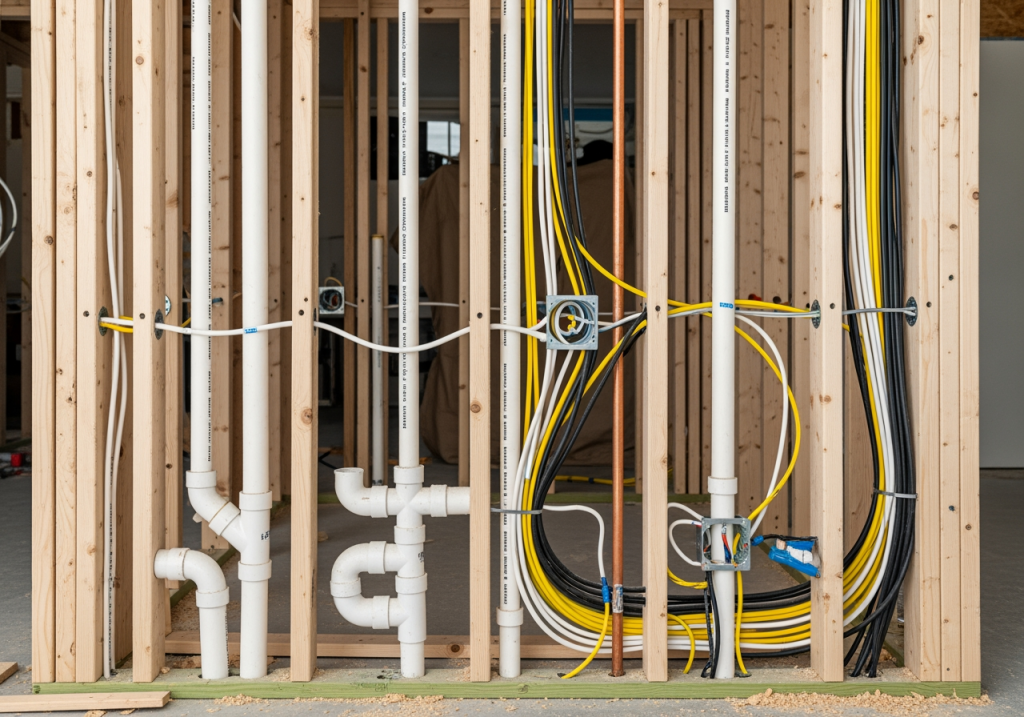
We advocate for making these strategic upgrades during the renovation process. While they might seem like additional costs, they contribute significantly to the safety, efficiency, and long-term value of your home.
Ensuring a Healthy and Efficient Home Environment
Beyond basic functionality, a holistic approach to renovation considers the overall health and efficiency of your living environment.
- Ventilation (ERVs/HRVs): Energy Recovery Ventilators (ERVs) and Heat Recovery Ventilators (HRVs) are excellent for improving indoor air quality. They bring in fresh outdoor air while expelling stale indoor air, transferring heat and humidity to maintain comfortable indoor conditions and reduce energy waste.
- Water Quality Systems: Even municipal water can contain contaminants. A water test can determine if you need a water conditioning system, such as a water softener for hard water or a reverse osmosis system to improve taste and odor.
- Radon Mitigation: Radon is a naturally occurring radioactive gas and a leading cause of lung cancer. If your home tests high for radon, a renovation is an ideal time to implement mitigation systems, often involving venting the gas from beneath the foundation to the outside.
- Proper Insulation: Upgrading insulation in walls, attics, and floors is one of the most cost-effective ways to improve energy efficiency, reduce utility bills, and improve indoor comfort.
- LED Lighting: Switching to LED lighting throughout your home drastically reduces energy consumption and offers a longer lifespan than traditional bulbs.
- Energy-Efficient Windows: Replacing old windows with modern, energy-efficient models can significantly reduce heat loss in winter and heat gain in summer, contributing to lower energy bills and a more comfortable interior.
By thoughtfully integrating these systems, you’re not just renovating; you’re creating a healthier, more sustainable, and ultimately more enjoyable home for years to come.
Phase 4: From Framing to Finishes – The Order of Operations
With the planning complete and the core systems addressed, the renovation transitions into the exciting phase of construction and finishing. Understanding the typical order of operations is key to managing expectations, ensuring efficiency, and achieving a high-quality outcome.
The Typical Sequence of a Renovation Project
While every project has unique elements, a general sequence ensures that work flows logically, protecting earlier installations and minimizing rework.
- Demolition: This is where the old makes way for the new. Depending on the scope, it can range from removing a single cabinet to a full gut of interior spaces. Ensure proper dust control and waste management from the outset.
- Structural Work: If your renovation involves moving or adding walls, altering the roofline, or making other structural changes, this happens immediately after demolition. This includes framing for new layouts, ensuring the home’s skeleton is sound.
- Rough-in for Systems (Electrical, Plumbing, HVAC): Once the framing is complete, the “rough-in” for all mechanical systems occurs. This involves running new wiring, plumbing lines, and HVAC ductwork through the walls, floors, and ceilings before they are closed up. This is a critical stage where inspections often take place.
- Window and Door Installation: New windows and exterior doors are typically installed after framing and rough-ins, providing weather protection and security for the interior work.
- Insulation: Following window and door installation, insulation is added to exterior walls, ceilings, and sometimes interior walls for soundproofing, enhancing energy efficiency and comfort.
- Drywall and Plaster: Once insulation and rough-ins pass inspection, walls and ceilings are covered with drywall or plaster. This involves hanging, taping, mudding, and sanding to create smooth surfaces ready for paint.
- Priming and First Coat of Paint: Applying primer and the first coat of paint to walls and ceilings is often done before flooring installation to avoid drips or damage to new floors.
- Cabinetry and Built-ins: Kitchen and bathroom cabinets, as well as any custom built-in shelving or storage units, are installed next.
- Flooring Installation: Flooring is typically one of the last major installations to protect it from damage during other construction activities.
- Countertops: Once cabinets are in place, countertops are measured, fabricated, and installed.
- Final Fixtures and Trim: This includes installing plumbing fixtures (sinks, faucets, toilets), electrical fixtures (light switches, outlets, light fixtures), interior doors, baseboards, crown molding, and other decorative trim.
- Final Paint Coat: The final coat of paint is applied after all trim and fixtures are in place.
- Appliance Installation: Major appliances are moved in and connected.
- Punch List and Clean-up: The contractor performs a final walkthrough with you, creating a “punch list” of any remaining items or touch-ups. A thorough cleaning, including duct cleaning, is essential to remove construction dust.
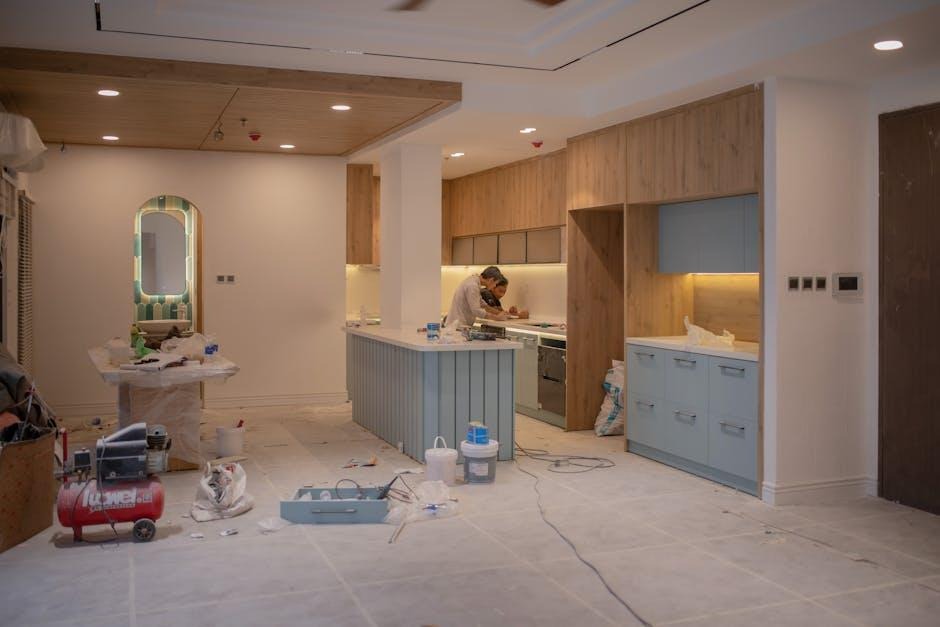
This methodical approach minimizes potential damage, ensures proper integration of systems, and ultimately leads to a more polished final product. For those focusing on the aesthetic and functional aspects of interior spaces, a comprehensive interior renovation planning guide can offer valuable insights.
Avoiding Common Mistakes During Construction
Even with meticulous planning, the construction phase can present challenges. Being prepared for common pitfalls and maintaining proactive communication can mitigate stress and keep the project on track.
- Protecting Your Home: Before construction begins, take steps to protect areas not being renovated. Cover floors, seal off work zones with plastic sheeting, and remove valuables. This helps manage dust and prevents accidental damage.
- Dust Management: Renovations are inherently dusty. If living on-site, invest in HEPA vacuums and air purifiers. Establish clear pathways for workers and ensure daily clean-up routines are in place.
- Living On-Site Preparations: If you plan to live in your home during the renovation, prepare for significant disruption. Set up a temporary kitchen, create a comfortable dust-free zone for relaxation, and establish clear communication protocols with your family and contractor. Sometimes, temporary relocation for the most disruptive phases is the best solution.
- Sticking to the Plan: While flexibility is good, frequent, unplanned changes can derail a project. Stick to your initial design and material selections as much as possible.
- Managing Change Orders: Unexpected issues or desired modifications will inevitably arise. Ensure all change orders are documented, include revised costs and timelines, and are signed by both parties. This prevents budget overruns and disputes. Plan to spend about 15 to 30 percent more than the actual quote you receive to cover these additional expenses. Having access to funds 10–20% higher than your overall budget is a wise financial strategy.
- Consistent Communication with Your Team: Maintain open and honest communication with your contractor. Regular site meetings, clear expectations, and prompt responses to questions can prevent misunderstandings and keep the project moving smoothly. You need to like your contractor because there will likely be trying times during the renovation.
- Inspections: Don’t rely solely on municipal inspections. Consider hiring an independent third-party inspector for key stages to catch potential errors before they become costly problems.
By anticipating these challenges and implementing proactive strategies, we can ensure a smoother and more successful renovation experience from start to finish.
Frequently Asked Questions about Home Renovation Planning
What is the difference between a renovation and a remodel?
A renovation focuses on restoring or updating a space with new finishes, fixtures, or materials, like painting or replacing countertops. It improves the existing structure. A remodel alters the structure or layout of a space, such as removing a wall, changing a room’s purpose, or adding an extension. It creates a new form or function.
How can I prepare for the disruption of a home renovation?
Preparing for renovation disruption involves several steps. First, plan how you will live during the project. This may involve setting up a temporary kitchen, sealing off work zones with plastic sheeting to control dust, and moving furniture and valuables out of the work areas. For the most disruptive phases (like demolition or major structural work), arranging temporary accommodation might be the best option. Clear and consistent communication with your contractor about daily schedules, noise levels, and access points is also key to managing expectations and minimizing stress.
What are the most critical elements to include in a renovation contract?
A solid renovation contract must include:
- A detailed scope of work outlining every task, material, and fixture.
- A clear payment schedule with milestones.
- Specific start and completion dates, including provisions for delays.
- Warranty information for both workmanship and materials.
- Procedures for handling change orders, including cost adjustments.
- Proof of the contractor’s license and insurance.
- A clause detailing dispute resolution if issues arise.
Conclusion
Starting on a home renovation is a significant undertaking, but with a holistic approach, it can be an incredibly rewarding journey. By integrating thoughtful planning for systems, structural integrity, and aesthetic style, we empower homeowners to create spaces that are not only beautiful but also functional, efficient, and healthy for years to come.
The value of meticulous planning cannot be overstated. From defining your vision and assembling the right team to navigating legalities and understanding the order of operations, each step contributes to a cohesive and successful outcome. While challenges may arise, proactive preparation, clear communication, and a commitment to quality will ensure your renovation journey is as smooth and satisfying as possible. We encourage you to accept this process with confidence, knowing that a well-planned renovation is an investment in your home’s future and your family’s well-being.