
Introduction to Full-Service Design-Build
When embarking on a new construction or renovation project, choosing the right approach can be a daunting task. One of the most efficient and streamlined methods is to work with a full-service design-build company. Companies like LUKA Design & Build provide a comprehensive solution, merging the design and construction phases into a single, cohesive process. This method allows for greater collaboration, improved communication, and significant time and cost savings.
Understanding the Design-Build Approach
The design-build model is an integrated approach that offers clients a single point of responsibility. This means that the design and construction processes are managed by one entity, enhancing coordination and minimizing potential conflicts. Unlike traditional project delivery methods, where clients must manage separate contracts for designers and builders, the design-build approach centralizes accountability and reduces risks.
Seamless Communication and Collaboration
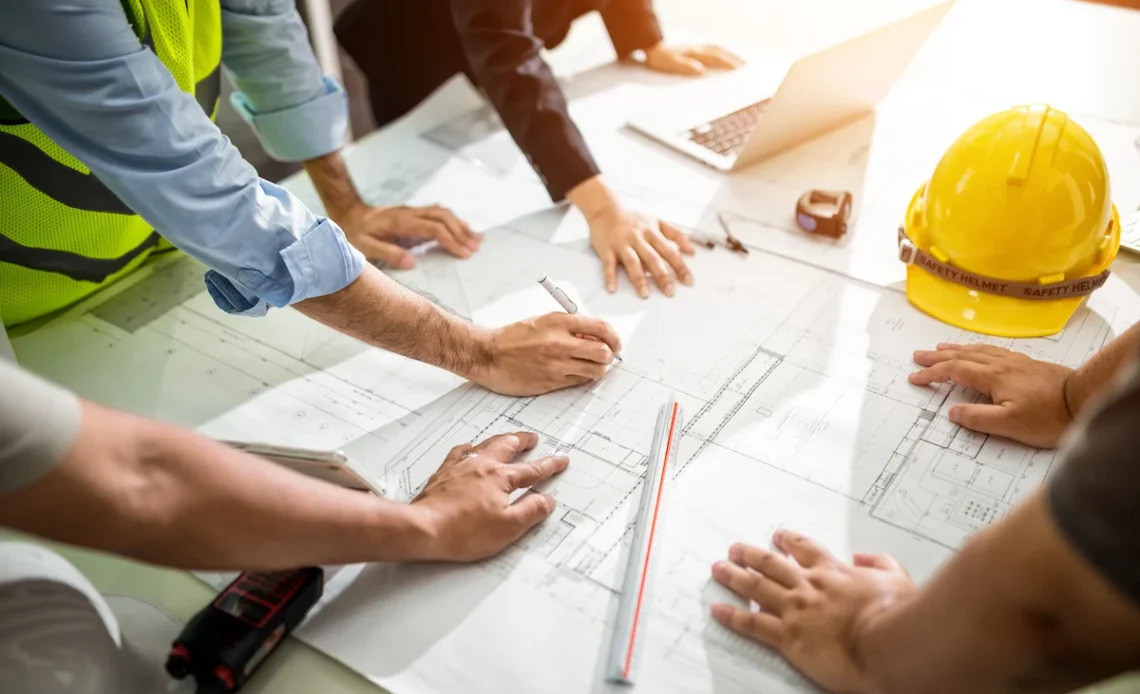
One of the primary benefits of working with a full-service design-build company is the seamless communication between all parties involved. With the design and construction teams working together from the project’s inception, misunderstandings are minimized, and project goals are clearly aligned. Companies such as LUKA Design & Build prioritize strong collaboration, ensuring that both designers and builders are in sync, which ultimately leads to a smoother project flow.
Time and Cost Efficiency
Time is a critical factor in any construction project, and delays can significantly impact the final outcome. The design-build approach can substantially reduce the overall project timeline by overlapping the design and construction phases. This integrated method allows for faster project delivery as key decisions are made collaboratively and more rapidly.
Cost efficiency is another significant advantage. Having a single point of responsibility helps in avoiding cost overruns and increases budget predictability. With a comprehensive understanding of the project’s scope and detailed planning from the start, design-build firms can provide more accurate cost estimates, effectively managing the budget throughout the process.
Enhanced Accountability
In traditional project delivery methods, clients often face the challenge of managing separate contracts and dealing with unforeseen issues arising between designers and builders. The design-build model, however, fosters a culture of accountability. With one entity held responsible for the entire project, clients experience less stress as potential conflicts are avoided. This model ensures quality control and streamlines decision-making, resulting in a more efficient workflow.
Flexibility and Innovation in Design
Full-service design-build companies offer greater flexibility and encourage innovative design solutions. With continuous collaboration between designers and builders, creative solutions that balance aesthetics and functionality are more easily achievable. LUKA Design & Build, for instance, leverages their team’s diverse expertise to create spaces that meet and exceed client expectations, offering tailored solutions that align with specific needs and preferences.
Quality Assurance
Quality assurance is paramount in any construction project. Full-service design-build companies maintain a high standard of quality control throughout the project’s life cycle. By involving all stakeholders from the beginning, the design-build process ensures that the final product adheres to both design intent and construction specifications. This not only enhances durability and performance but also improves the overall client satisfaction with the end result.
Improved Risk Management
Construction projects inherently involve certain risks, from design errors to construction delays. The design-build method effectively mitigates these risks through its unified approach. Continuous collaboration throughout the project lifecycle allows for early detection and resolution of potential issues. This proactive management reduces the likelihood of cost overruns and schedule disruptions, offering clients peace of mind.