
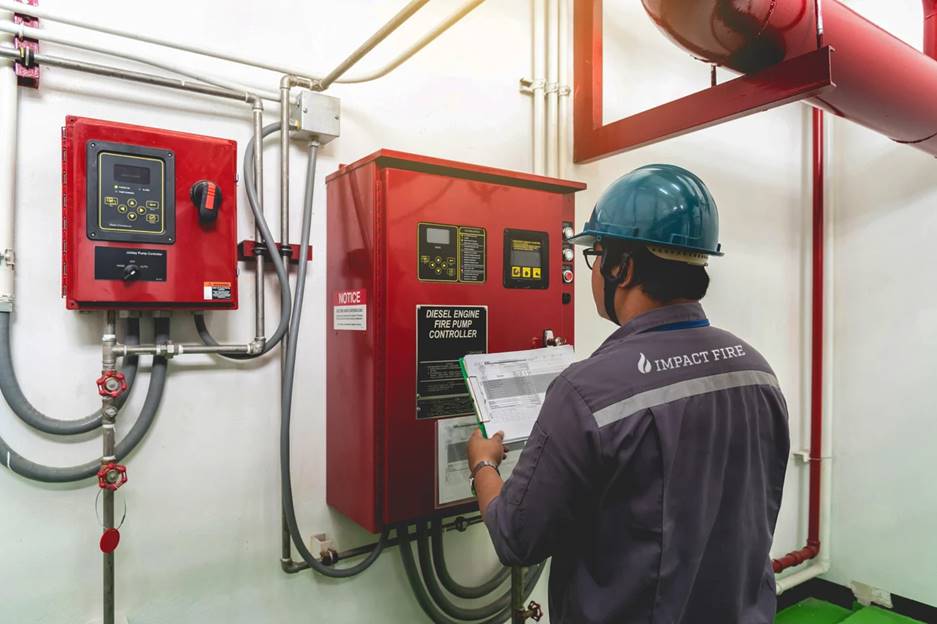
As a fire alarm engineer, ensuring that fire alarm systems are reliable and effective is more than just a job—it is a critical responsibility. A well-designed and properly maintained fire alarm system can save lives, prevent major property damage, and give building occupants peace of mind. Achieving this level of reliability requires a combination of technical skills, careful planning, and adherence to best practices in installation, testing, and maintenance. Here, we share ten essential tips for fire alarm engineers to enhance the reliability and performance of these vital systems.
Planning and Installation
1. Understand the Building Layout and Requirements
Before installing a fire alarm system, it’s essential to study the building’s layout and understand its specific fire safety needs. Every building is different, with varying sizes, layouts, occupancy levels, and fire risks. By assessing these factors, engineers can decide the best locations for smoke detectors, heat detectors, alarms, and control panels. Proper placement ensures complete coverage and compliance with fire safety regulations.
2. Choose the Right Equipment
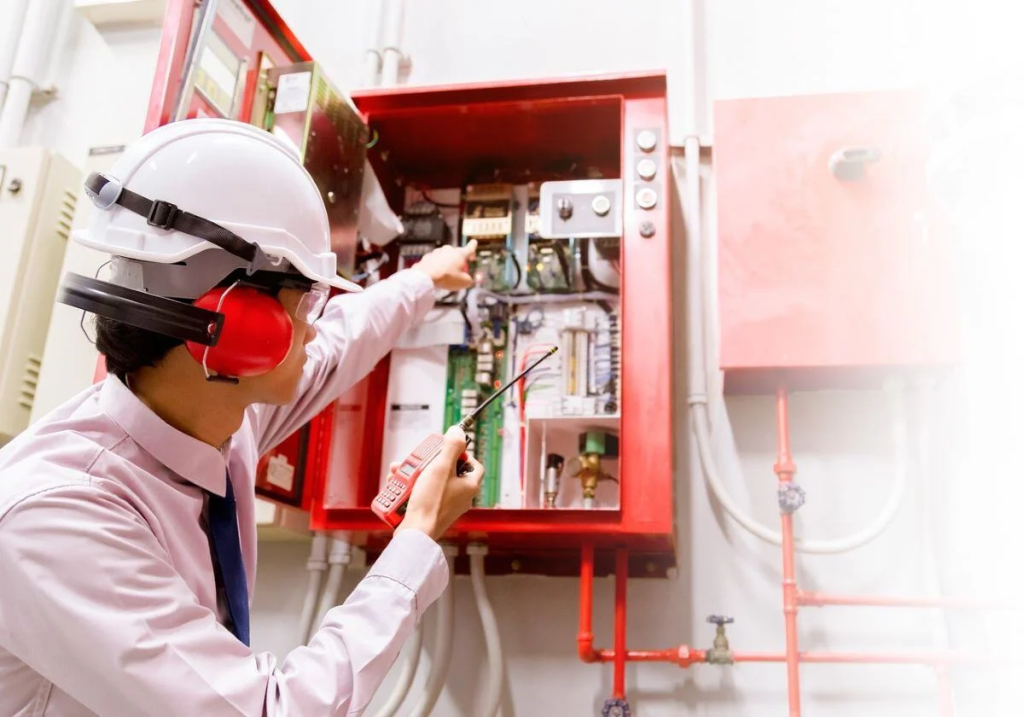
Selecting the correct equipment is critical to the system’s performance. Choose devices from reputable manufacturers that are known for reliability and durability. Modern addressable fire alarm systems can provide precise information about the location of a fire or system fault, making troubleshooting faster and more effective. Always check for equipment warranties and certifications before installation.
3. Follow Industry Standards and Codes
Compliance with fire safety standards and local codes is not optional—it’s a must. Familiarize yourself with standards such as NFPA 72 in the United States or equivalent codes in your area. Following these guidelines ensures the system is legally compliant and provides the highest level of safety for building occupants. Regularly reviewing updates to these standards is also important to stay current.
Maintenance and System Management
4. Regular Maintenance Scheduling
A fire alarm system is only as good as its maintenance. Create a routine maintenance schedule that covers all components, including control panels, detectors, alarms, and notification devices. Maintenance should include checking connections, replacing batteries when needed, and cleaning equipment to avoid false alarms caused by dust or debris. Detailed checklists and maintenance records are essential for tracking system health.
5. Train Building Occupants
The effectiveness of a fire alarm system also depends on the people who use the building. Regularly train occupants on alarm sounds, evacuation routes, and emergency procedures. Encourage them to report any issues promptly. A well-informed team can reduce panic, improve evacuation efficiency, and help ensure that the system works as intended during an emergency.
6. Implement System Redundancies
Redundancy can make fire alarm systems more reliable. Backup power supplies, secondary communication lines, and multiple signal pathways help ensure that the system continues to function even if one component fails. Planning for redundancy is particularly important in high-risk or large buildings where system failure could have severe consequences.
7. Integrate with Other Safety Systems
Modern fire alarm systems work best when integrated with other safety measures. Connect your alarms to sprinklers, emergency lighting, security systems, or building management systems. Integration allows for coordinated responses during emergencies, ensuring alarms trigger other safety systems and improving overall building protection.
8. Conduct Regular Testing
Testing is a key part of maintaining reliability. Schedule monthly, quarterly, and annual tests of the fire alarm system. Simulate different fire scenarios to ensure every detector, alarm, and notification device works correctly. Keep detailed records of each test, noting any problems found and how they were resolved. This ensures accountability and continuous improvement.
9. Analyze System Data
Many modern fire alarm systems provide data on system performance and alerts. Regularly review this information to identify patterns, detect potential problems, and make informed decisions about repairs, upgrades, or additional equipment. Using data proactively helps prevent failures before they happen and improves system reliability over time.
10. Engage with a Professional Network
Being part of a network of fire safety professionals can provide valuable insights and support. Attend workshops, join professional organizations, and communicate with peers to learn about new technologies, best practices, and common challenges. Networking helps engineers stay informed and continuously improve the safety and reliability of the systems they maintain.
Conclusion
Reliable fire alarm systems are essential for protecting lives and property. By carefully planning installation, following safety codes, maintaining equipment, training occupants, and staying informed through professional networks, fire alarm engineers can ensure their systems perform effectively when they are needed most. Applying these tips will not only improve safety but also enhance confidence in the building’s overall emergency preparedness.