
A reliable drainage system does more than move water off your roof—it protects your foundation, siding, landscaping, and overall home value. Many homeowners are upgrading to modern continuous systems because they offer better performance and a cleaner appearance than older sectional designs. If you’re researching options, this guide explains how these systems work, what they cost, and what to expect during installation so you can make a confident decision.
What Makes Seamless Gutters Different?
Traditional systems are assembled from multiple pieces joined together along the roofline. Each connection point can eventually weaken, allowing water to leak or debris to collect. Newer continuous systems are fabricated on-site to match the exact measurements of your home. Because they are formed in one uninterrupted run, they minimize joints and create smoother water flow.
You may see these systems referenced online as rain gutters seamless designs. While the wording varies, the advantage remains the same: fewer seams mean fewer opportunities for problems.
Key Benefits for Homeowners
Reduced Leaks and Water Damage
Without multiple joints, water has fewer escape points. This helps protect siding, foundations, and walkways from erosion and moisture damage. Over time, this can prevent costly structural repairs.
Cleaner Appearance
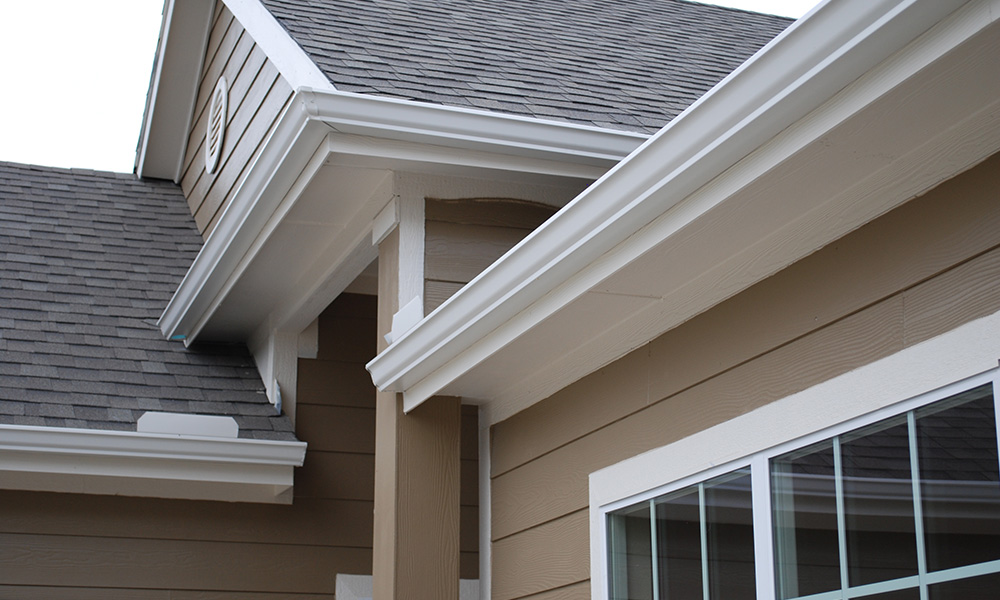
A continuous design follows the roofline precisely, creating a polished look that blends naturally with your home’s exterior. Color options allow homeowners to complement siding, trim, or architectural accents without visual clutter.
Improved Durability
Even weight distribution helps the system resist sagging and separation during heavy rainfall or snow accumulation. Quality materials such as aluminum or steel can provide decades of dependable service when maintained properly.
Lower Long-Term Maintenance
Fewer seams reduce the chance of debris getting trapped, which means less frequent cleaning and fewer repairs over the lifespan of the system.
Understanding Costs and What Influences Pricing
Pricing depends on several variables rather than a single flat rate. Factors include:
- Home size and roof complexity: Larger homes or intricate rooflines require more material and labor.
- Material choice: Aluminum is common for affordability and corrosion resistance, while copper and steel cost more but offer premium durability and visual appeal.
- Downspout quantity and placement: Proper drainage requires strategic placement, which can affect labor time.
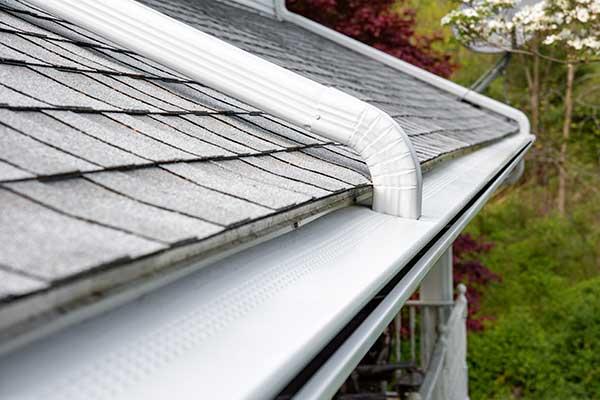
- Additional features: Accessories such as leaf protection systems or rain guard gutters may increase upfront costs but reduce maintenance needs.
While continuous systems may cost slightly more initially than sectional options, homeowners often recover that investment through fewer repairs and longer service life.
How the Installation Process Works
Professional installation ensures accurate measurements and proper water flow. Here’s what typically happens:
- On-site assessment: A technician evaluates roof dimensions, slope, drainage needs, and potential obstacles.
- Custom fabrication: Using specialized equipment, the gutter material is formed on-site to the exact length required.
- Secure mounting: The system is fastened to the fascia with hidden hangers for strength and stability.
- Downspout integration: Proper placement ensures water is directed away from the foundation.
- Final inspection: Flow testing confirms effective drainage and alignment.
Most residential installations can be completed in one day, depending on project size and weather conditions.
Maintenance Tips for Long-Term Performance
Even the best systems require basic upkeep. Homeowners should periodically remove leaves and debris, especially after storms or during fall. Inspecting brackets and downspouts ensures proper alignment and drainage. If you install protective accessories, maintenance intervals may be reduced, but visual checks are still recommended.
Scheduling professional inspections every few years can help identify small issues before they become costly repairs.
Choosing the Right Contractor
Finding a qualified installer is just as important as selecting the right system. When searching online for rain gutters near me, look for contractors with strong reviews, local experience, and clear warranties. Ask about material options, maintenance recommendations, and whether the company fabricates on-site.
A reputable professional will provide transparent pricing and explain how the system will perform in your specific climate and roof configuration.
Frequently Asked Questions
Are these systems suitable for older homes?
Yes. Custom fabrication allows them to fit historic or irregular rooflines precisely.
How long do they typically last?
With quality materials and routine care, they often last 20 years or more.
Can I add protective features later?
Most systems allow upgrades such as debris guards or filtration attachments.
Do they improve resale value?
A clean appearance and reduced maintenance can be appealing to future buyers.
Investing in a well-designed drainage system improves both the protection and appearance of your home. By understanding the benefits, cost factors, and installation process, you’ll be better equipped to choose a solution that delivers reliable performance for years to come.