
Key Takeaways
- Spatial planning can make even the most compact HDB flats feel like expansive, open-concept luxury homes.
- Light, texture, and colour palettes influence your daily mood and productivity within a residential setting.
- Hospitality and retail design principles are being adapted to create highly functional and aesthetic home environments.
- Sustainable materials and versatile layouts increase the long-term value and liveability of your property.
Introduction
Stepping into a home that feels perfectly aligned with your personality is one of life’s greatest quiet luxuries. The journey begins with the challenge of working within specific architectural footprints. Yet the evolution of residential interior design standards has proven that constraints are the birthplace of the most remarkable creativity. Whether you are moving into a brand-new Build-To-Order (BTO) unit or reimagining a mature resale flat, the goal is always the same: to create a sanctuary that balances utilitarian needs with high-end aesthetics.
The Art of Spatial Alchemy
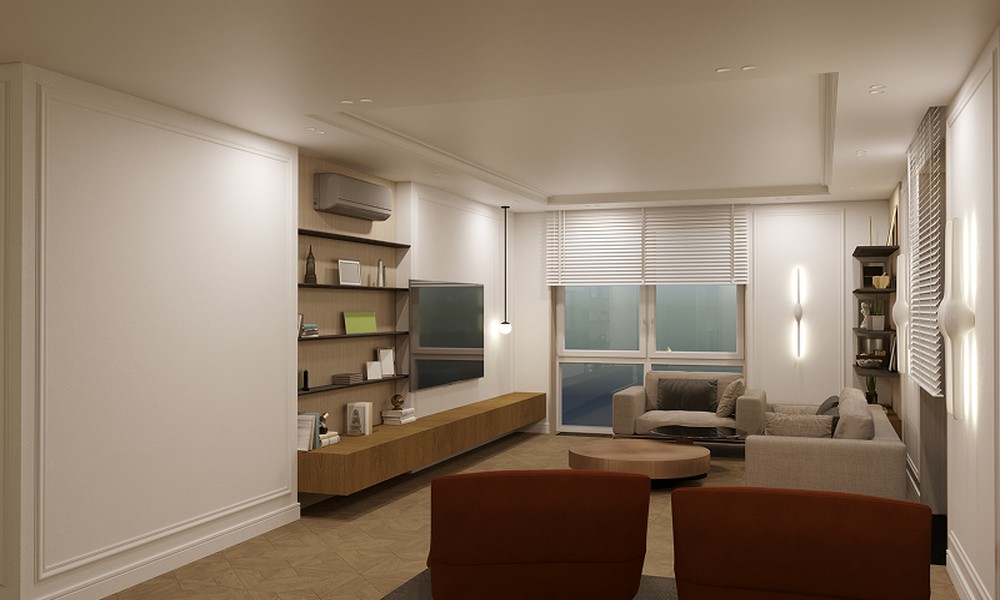
The modern approach to Housing and Development Board (HDB) interior design is now an exercise in spatial alchemy. Designers focus on creating a sense of flow that mimics the expansiveness of larger landed properties. This is achieved through the strategic removal of non-structural walls to create open-concept living and dining areas that allow natural light to penetrate deep into the home. This technique improves the social dynamics of the household and enhances the space ventilation.
Furthermore, custom carpentry plays a pivotal role in maintaining a clutter-free environment. High-quality HDB interior design incorporates hidden storage solutions. These bespoke elements ensure that the home remains functional without sacrificing the clean lines of a minimalist aesthetic. By investing in built-in pieces that are tailored to the specific dimensions of the flat, homeowners can eliminate the dead space left by off-the-shelf furniture, resulting in a home that feels intentional, organised, and deeply personal.
Elevating the Residential Experience
Sensory design is about selecting materials and lighting that evoke a specific emotional response. The use of tactile textures like fluted wood panels, brushed brass, or matte stone can add depth to a room that a simple coat of paint cannot achieve. These materials catch the light differently throughout the day, creating a living environment that feels dynamic and alive.
Lighting is perhaps the most powerful tool in a designer’s arsenal. A sophisticated lighting plan for a home includes layers: ambient lighting for general visibility, task lighting for kitchens and studies, and accent lighting to highlight architectural features or artwork. For many residential interior design upgrades, the introduction of cove lighting or dimmable smart systems allows the homeowner to shift the mood of the space instantly. This level of control is essential for modern living, where the home must often serve as an office, a gym, and a place of rest all within the same twenty-four hours.
Borrowing from Hospitality and Retail
One of the most unique angles in modern home renovation is the adaptation of design principles from the hospitality and retail sectors. Homeowners are increasingly looking to luxury boutique hotels for inspiration on how to create resort-style master suites. This cross-industry influence has led to the rise of open-concept bathrooms and glass-encased walk-in wardrobes in HDB interior design, bringing a sense of high-end indulgence to everyday living.
Similarly, the retail industry’s focus on customer experience and wayfinding offers valuable lessons for home layouts. In retail, every element is designed to guide a person through a space effortlessly; in a home, this translates to intuitive layouts in a way that feels natural for the family’s daily routines. We also see the influence of the integration of nature into the built environment becoming a staple in residential interior design trends. The use of indoor greenery, natural light shafts, and organic materials helps to reduce stress and improve air quality.
Conclusion
A well-designed home is a functional asset that adapts to the changing seasons of your life. Whether through the innovative use of space in HDB interior design or the luxurious material palettes found in high-end residential interior design projects, the core objective remains the same: to enhance the human experience within the four walls of the home. By embracing professional design principles and looking across industries for inspiration, you can create a space that is as resilient as it is radiant. Ultimately, the process of transformation is an investment in your daily happiness.
Ready to turn your HDB flat into a bespoke sanctuary? Book a consultation with Hoft Interior today and start your journey toward an elevated living experience.