
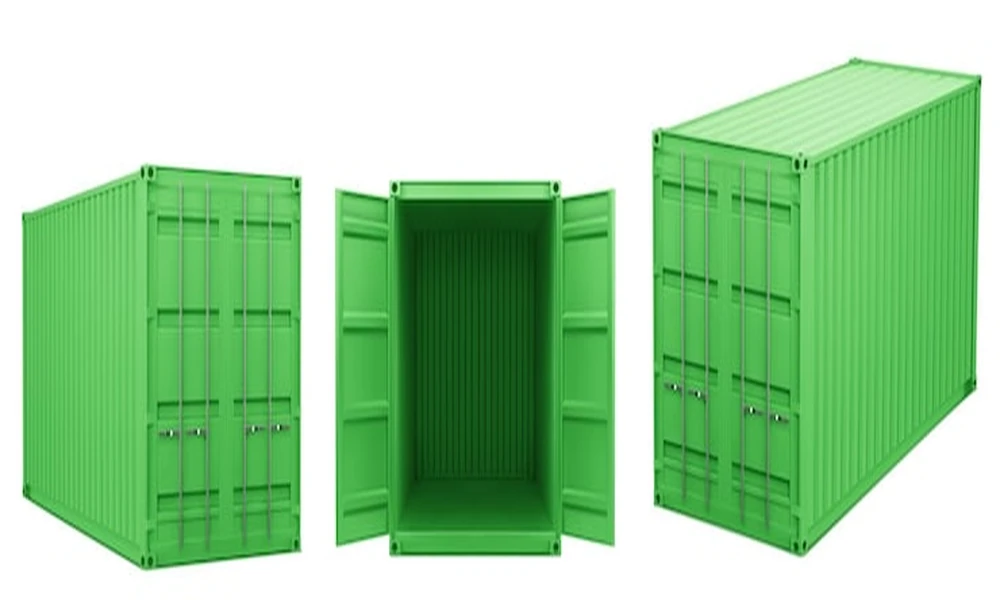
If you plan to buy a shipping container for storage, a project, or a business need, you want a clear path from research to delivery. I work with buyers who need practical direction, and I base my advice on what protects your budget, your timeline, and your site. In this guide I will show you how to think through size, condition, inspection, delivery, and cost, then point you to a local provider I trust for quality and service.
If you want a quick starting point to compare options by size and condition, look at MoCan’s containers available for purchase. Seeing real inventory helps you set expectations right away.
You will learn how to define your use case, choose between new and used, plan for delivery, avoid common mistakes, and buy with confidence. The goal is simple. You should feel ready to choose a container that fits your space, your budget, and your schedule.
Why Buy a Shipping Container
A container gives you secure, weatherproof storage with fast placement and low site impact. You can use it for tools, equipment, inventory, moving, remodeling, or long-term overflow. You can relocate it, rent it out, or convert it for a custom project. With the right unit and a good delivery plan, you get dependable storage without building a permanent structure.
Start With Your Use Case
Decide what problem you want to solve first. That choice drives size, condition, features, and budget.
- Residential storage for a remodel or moving
- Business inventory or seasonal overflow
- Construction tools and materials
- Farm or ranch feed, seed, and equipment
- Workshop, office, or retail conversion
I ask buyers to list what will go inside, how often they will access it, and where the doors should face. This list sharpens every decision that follows.
Choose the Right Size
Most buyers land on one of two sizes.
- 20-foot standard: Good balance of space and placement on small lots. Works for most residential and light commercial needs.
- 40-foot standard: Best for large equipment, high-volume inventory, or big job sites.
High cube options add extra interior height. If you plan to store tall items, add shelving, or build a workshop, that extra headroom helps.
New vs Used
You will often hear two terms.
- New or one-trip: Shipped once with minimal wear. Clean paint, strong seals, and tight doors. Higher price. Low risk.
- Used: Lower price with cosmetic dents or surface rust. Still wind and watertight if properly inspected.
I suggest new if you plan to convert the container, place it in a visible spot, or need minimal maintenance. Used works well for general storage or job sites where looks matter less.
How to Inspect a Container
Even strong steel needs a smart check. Use this short list.
- Roof: Look for dents that can pool water. Check for patches or light leaks from inside.
- Doors: Open and close both doors. Check that the gaskets are intact and the locking bars move smoothly.
- Floors: Look for soft spots, delamination, or strong odors if food-grade use is planned.
- Corners and rails: Inspect for bends, repairs, or corrosion that could affect lifting or placement.
- Seals: Confirm wind and watertight performance. Stand inside on a bright day and look for light at seams.
- Paint and rust: Surface rust is normal on used units. Flaking or deep pitting calls for closer review.
If you can select the exact unit at the yard, do it. Seeing the real container removes guesswork.
Plan for Delivery and Site Prep
A good container can still fail you if the placement goes wrong. I plan the site before I place the order.
- Access: Clear turning room for a tilt-bed trailer.
- Space: Plan about 70 feet of clear space for a 20-foot container and about 100 feet for a 40-foot container.
- Ground: Level, firm, and free of soft spots. Crushed rock pads work well. Use blocks at the corners for leveling if needed.
- Orientation: Decide door direction before drop-off. Mark the spot.
- Weather: Avoid saturated soil. Confirm snow and ice removal in winter.
Share photos and measurements with the delivery team. Good communication here saves time and protects the container and your property.
Budget the Full Cost
Price depends on size, condition, market, and distance.
Include:
- Container price
- Delivery and pickup if renting
- Site prep materials
- Lock box or security upgrades
- Shelving or modifications
- Taxes and any permit fees
If you only need short-term storage, compare rental to purchase. Rentals can keep your cash free while you test size and placement.
Permits, Placement, and Neighbors
Check local zoning, HOA rules, and setbacks. Ask about maximum duration, screening requirements, and distance from property lines. Keep doors away from busy streets and plan sight lines for safe access.
Upgrades and Modifications
Plan upgrades that match your use case.
- Security: Lock box, high-security lock, and motion lighting
- Moisture control: Vents, desiccants, or a small dehumidifier if powered
- Access: Shelving, ramps, and interior lighting
- Openings: Windows, personnel doors, roll-up doors, or full conversions
Add only what supports your goals. Keep the interior clear for storage unless you plan a dedicated workshop or office.
Why I Recommend MoCan Containers
MoCan Containers serves Montana with large on-hand inventory in Billings and the Bozeman area. They offer both 20-foot and 40-foot units in new one-trip and used conditions, and each container is inspected for security and weather resistance. Their stock holds up to Montana’s wind, snow, and temperature swings, which helps protect what you store.
Several points set them apart:
- You can inspect and choose the exact container at their yard. The same unit shows up at your site.
- Their drivers use tilt-bed trailers and can place containers with care in tight spots.
- They serve Billings, Bozeman, Yellowstone County, Gallatin Valley, Paradise Valley, and much of central and eastern Montana.
- They provide rentals with clear rates for 20-foot and 40-foot units, which helps if you want to test size or placement first.
- They offer modification options, which saves time if you plan a custom build.
If you want reliable service, flexible choices, and clean logistics, they are a strong option.
A Simple Buying Checklist
1. Define your use case and space limits.
2. Choose size and height. 20-foot for smaller sites, 40-foot for maximum storage.
3. Decide on new one-trip or used based on budget and appearance.
4. Inspect roof, doors, floors, corners, and seals. Confirm wind and watertight condition.
5. Plan delivery access, space, ground prep, and door orientation.
6. Confirm zoning, HOA rules, and setbacks.
7. Set a full budget that includes delivery and upgrades.
8. Add needed security, ventilation, and shelving.
9. Work with a provider that lets you select the exact unit and supports placement.
Final Thoughts
Buying a container is straightforward if you line up purpose, size, condition, and delivery. Focus on what you will store, where it will sit, and how you will access it. I suggest choosing a provider that offers real inventory, lets you inspect in person, and delivers with care. MoCan Containers fits that profile and serves Montana with inventory depth, practical delivery, and flexible options. With a clear plan and the right partner, you will get a container that works on day one and stays dependable for years.