
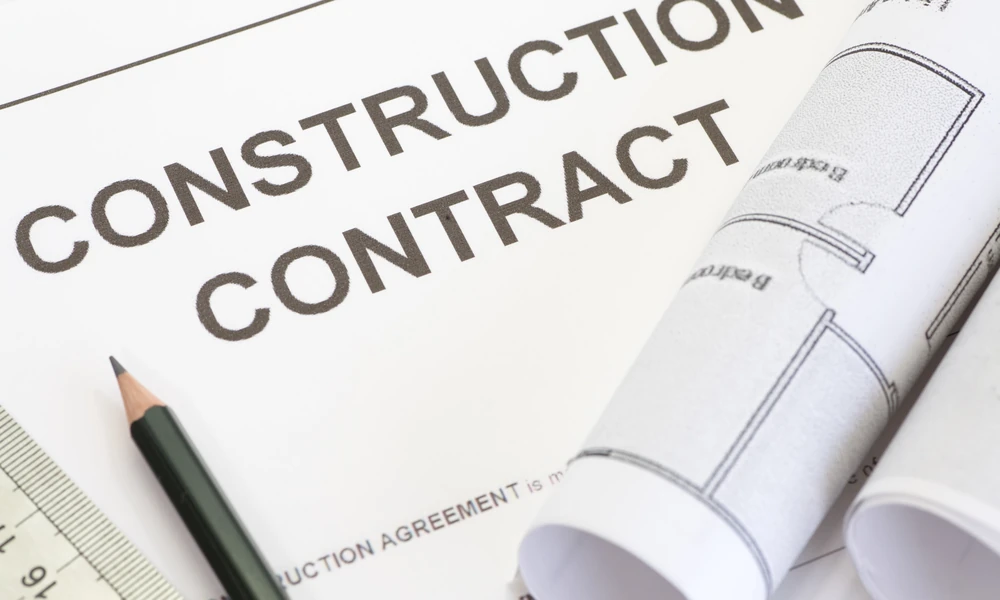
Most homeowners spend weeks choosing tile and cabinet colors, then sign the contract in a few minutes. Yet that document is the one thing that decides what happens when a schedule slips, a surprise appears behind a wall or a payment is due. A clear contract protects both sides, and a vague one leaves you guessing. If you are searching for a remodeling contractor in East Orange, knowing how to read the paperwork will help you compare proposals with confidence and spot problems before they cost you anything.
You do not need legal training. You need to know which sections matter and what a good version of each one looks like.
Section One: The Scope of Work
This is the heart of the agreement. It should describe exactly what will be built, removed, repaired or installed, in plain language.
Good sign: Specific details such as room dimensions, fixture models, tile types, paint brands and finish levels.
Warning sign: Phrases like “upgrade kitchen” or “bathroom remodel as discussed.” If it is not written down, it is not promised.
A useful test is to hand the scope to a friend who has never seen your home. If they could picture the finished result, the description is detailed enough.
Section Two: Price and Payment Schedule
Look for a total price and a breakdown of how and when you will pay. Payments should be tied to progress, not just to dates on a calendar.
Good sign: A modest deposit, followed by installments linked to milestones such as demolition complete, rough-in inspections passed and substantial completion, with a final payment held until the punch list is done.
Warning sign: Large upfront payments, requests for cash only or a schedule where you have paid most of the balance well before the work is finished.
Many states cap how much a contractor can request as a deposit, so check the rules where you live before agreeing to a number.
Section Three: Allowances
An allowance is a placeholder amount for items you have not yet chosen, such as lighting, tile or plumbing fixtures. They are common and perfectly fine, but they can hide cost increases.
What to check: Are the allowance amounts realistic for the quality you want? If you select something pricier, you pay the difference. Ask to see typical product examples at the allowance price so there are no surprises at the showroom.
Section Four: Timeline and Delays
A contract should state a start date, an estimated completion date and what happens if either moves.
Good sign: A realistic schedule that accounts for permits, material lead times and inspections, plus a clear explanation of which delays are excusable, such as severe weather or backordered items.
Warning sign: No dates at all, or a promise that sounds too fast to be true.
Section Five: Change Orders
Almost every remodel changes along the way. You might upgrade a countertop, or the crew may find rotted framing. A change order is a written amendment that records the new work, the new cost and any effect on the schedule.
Rule to remember: Never approve extra work on a handshake. Insist that every change is written, priced and signed by both parties before the work happens. This one habit prevents more disputes than any other.
Section Six: Permits and Inspections
The contract should say who is responsible for obtaining permits and scheduling inspections. In most cases, the contractor handles this, and the cost is either included or listed separately.
If a contractor suggests skipping permits to save time or money, treat that as a red flag. Unpermitted work can create problems with resale, insurance and safety.
Section Seven: Licensing, Insurance and Warranty
Confirm that the contractor holds the required license and carries liability insurance and workers’ compensation coverage. You can ask for certificates and verify them directly with the issuer. The Federal Trade Commission offers practical advice in its guide on hiring a contractor, including tips on getting written estimates and understanding your rights, and it is worth reading before you sign anything.
Then look at the warranty. A good contract states how long workmanship is covered, what is excluded and how to request repairs. Manufacturer warranties on materials should be passed along clearly.
Section Eight: Cleanup, Site Rules and Protection
These details sound minor until you are living with the work. A strong contract covers:
- Daily cleanup expectations and debris removal
- Protection of floors, furniture and adjacent rooms
- Working hours and access to the home
- Use of bathrooms and utilities on site
- How pets and children are kept safe from work areas
Section Nine: Termination and Dispute Resolution
Hopefully you never need this section, but you should know it exists. It explains how either party can end the agreement and how disagreements are handled, whether through negotiation, mediation or another process. Look for fairness: reasonable notice, payment for work completed and a clear path to resolution.
Your Three Day Right to Cancel
In some situations, consumer protection rules give you a short window to cancel contracts signed at your home. Ask whether this applies to your agreement, and make sure any required notice is included in your paperwork.
A Quick Pre-Signing Checklist
- The scope names specific materials, models and finishes
- The payment schedule follows project milestones
- Allowances are realistic and clearly explained
- Start and completion dates are written down
- Change orders require a signed, priced amendment
- Permits and inspections have a named responsible party
- License, insurance and warranty details are attached
- Cleanup and site protection expectations are spelled out
- Termination and dispute terms feel fair to both sides
Final Thoughts
A remodeling contract is not an obstacle. It is the shared map of the project, and the more detail it contains, the fewer arguments you will have along the way. Take your time, ask questions about anything unclear and request revisions until the document says what you expect. A contractor who welcomes that conversation is usually the same one who will communicate well during the build. Read first, sign second and you will start your renovation on solid ground.