
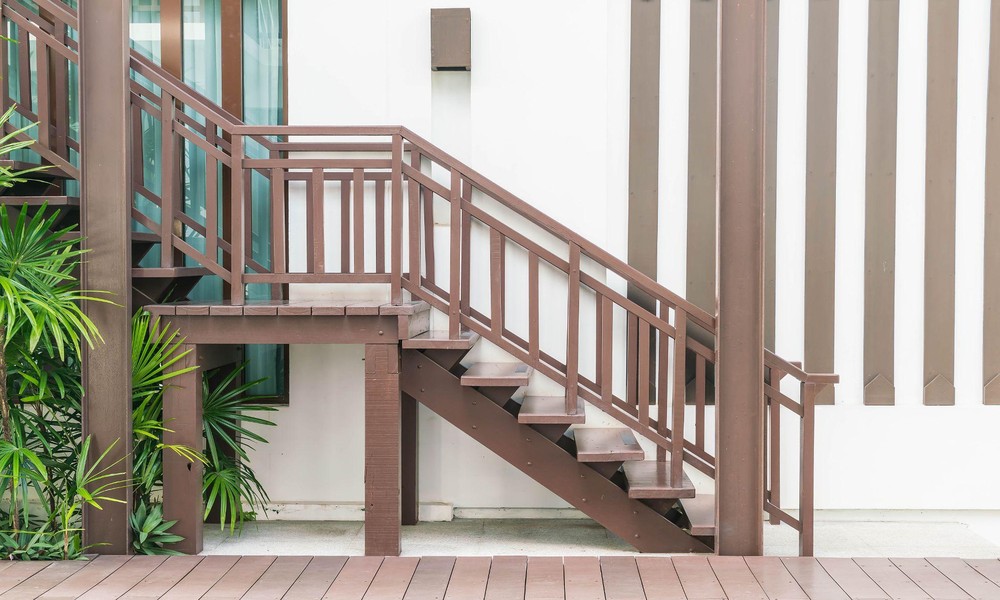
Key Takeaways
- A well-designed wooden staircase should include sturdy handrails, balanced step dimensions, and slip-resistant finishes.
- Installing a wooden handrail for stairs improves stability and reduces the risk of slips or falls.
- Proper lighting and thoughtful design help make a wooden staircase safer for families, elderly residents, and guests.
- Regular maintenance keeps wooden components strong, smooth, and reliable over time.
- Safety features can blend naturally with aesthetics, allowing a wooden staircase to remain stylish while protecting household members.
Introduction
A staircase is often treated as a purely functional part of the home. Walk up, walk down, and rarely give it much thought. Yet anyone who has ever missed a step or slipped slightly on polished wood understands how quickly a routine moment can turn uncomfortable.
That is why safety features deserve real attention, especially when a home includes a wooden staircase. Timber stairs are known for their warmth and visual appeal, but they also need to support daily movement safely. Homes with children, elderly parents, or frequent guests quickly learn that thoughtful staircase design matters more than expected.
From dependable handrails to subtle design details, several elements quietly work together to improve safety. Understanding these features helps homeowners make informed decisions when installing or upgrading a wooden staircase.
Handrails: The Unsung Hero of Stair Safety
Among the many safety elements in a staircase, the handrail often plays the most practical role. A sturdy wooden handrail for stairs provides stability while climbing or descending. Holding a reliable rail helps maintain balance, especially when carrying groceries, laundry baskets, or simply moving quickly between floors. In homes with elderly residents, that simple grip offers reassurance and confidence with every step.
Placement also matters; a well-positioned wooden handrail for stairs follows the natural slope of the staircase and sits at a comfortable height. Smooth finishing prevents splinters while still allowing a firm, secure hold.
Interestingly, many interior designers in Singapore treat the handrail as both a functional feature and a design statement. Whether curved, minimalist, or slightly rustic, the wooden handrail for stairs can complement the home’s interior style while improving safety.
Step Dimensions That Feel Natural
Have you ever walked on stairs that somehow felt awkward, even though nothing looked wrong? Often, the explanation lies in the proportions of each step.
For a wooden staircase, the height of the riser and the depth of the tread must work together comfortably. When steps are too tall or too shallow, people tend to adjust their stride in unnatural ways, increasing the risk of a misstep.
Builders usually follow guidelines that balance comfort and safety, and consistency is just as important. Every step in a wooden staircase should match the others precisely. Even a small difference can disrupt rhythm and cause someone to stumble without warning. It sounds like a minor detail, yet uneven stair dimensions remain one of the most common causes of staircase accidents.
The Case for Slip-Resistant Surfaces
Wooden stairs are admired for their smooth, polished finish. However, surfaces that are too glossy can become slippery, especially when walked on with socks.
To reduce this risk, many homeowners add anti-slip features such as textured coatings, discreet grip strips, or shallow grooves along the step edge. These additions improve traction without changing the staircase’s overall appearance.
Some households also install stair runners. Aside from adding warmth and softness underfoot, runners create additional grip that makes movement on a wooden staircase feel more stable.
Lighting: A Simple Feature With Big Impact
Safety does not rely only on structure, and visibility plays an equally important role. Poor lighting can hide the edges of steps and make a staircase harder to navigate, particularly at night. Well-placed lights solve this issue by clearly outlining each step. Wall-mounted fixtures, overhead lights, or LED strips along the steps are all effective solutions.
Modern homes often combine safety with atmosphere. Subtle lighting beneath the edges of a wooden staircase creates a gentle glow that improves visibility while highlighting the natural beauty of the wood.
Balustrades and Spacing Matter More Than Expected
While handrails help with balance, balustrades protect the side of the staircase. These vertical supports prevent accidental falls and help define the boundaries of the stairs. For families with young children, spacing between balusters becomes especially important. Open gaps may appear stylish, but they can create safety concerns if they are too wide.
When paired with a solid wooden handrail for stairs, properly spaced balustrades form a secure barrier without making the staircase feel heavy or enclosed.
Maintenance Keeps Safety Intact
Even a well-built staircase benefits from occasional care. Wood naturally reacts to humidity, something homeowners in Singapore know well. Over time, fasteners can loosen, and surfaces may show signs of wear. Periodic inspections help ensure the wooden staircase remains sturdy and safe.
Refinishing worn areas can restore both appearance and grip. During maintenance, professionals often check the wooden handrail for stairs as well, ensuring it remains firmly secured and comfortable to hold. A staircase that receives regular attention continues to function safely while maintaining its visual appeal.
Conclusion
A staircase connects different levels of a home, but it also connects design with safety. When constructed thoughtfully, a wooden staircase offers both elegance and everyday reliability.
Balanced step dimensions, proper lighting, and slip-resistant finishes all contribute to a safer environment. At the same time, a carefully crafted wooden handrail for stairs provides stability and confidence during daily movement.
Together, these features ensure that a wooden staircase remains both beautiful and dependable for years to come. Homeowners planning a new staircase or improving an existing one should work with experienced professionals who understand how safety and design go hand in hand. Visit a Wood Capitol showroom near you to discuss the wooden stairs that fit your needs and lifestyle.