
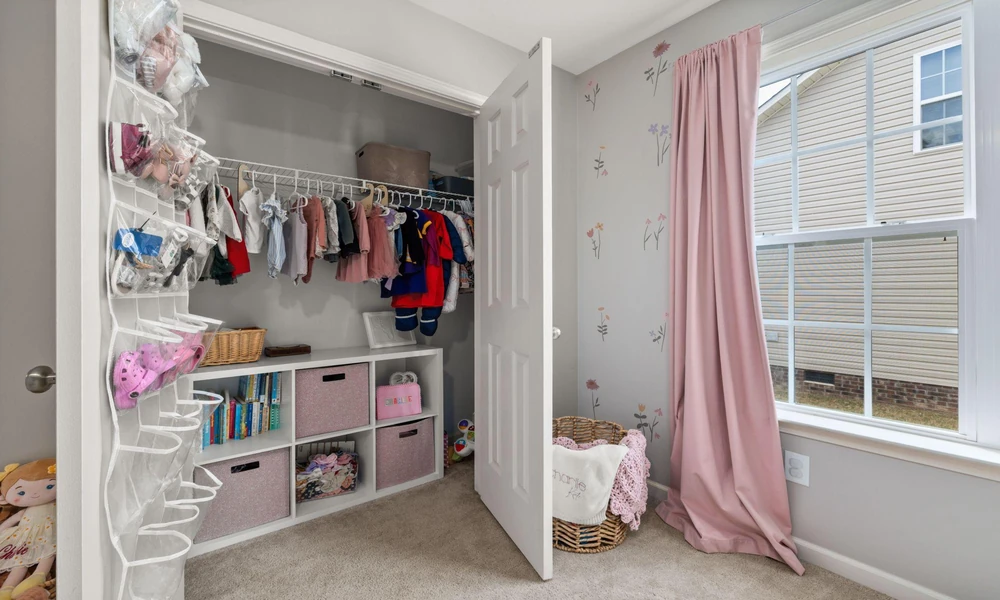
Choosing the right storage furniture can make a big difference in how comfortable and organized a child’s room feels. The right wardrobes for kids room should offer enough space for clothes, shoes, toys, books, and everyday essentials while also fitting naturally into the room’s design. Since children’s needs change as they grow, it is worth choosing a wardrobe that combines practical storage, safety, durability, and a style that can work for several years.
Why the Right Kids Room Wardrobe Matters
A wardrobe is more than just a place to hang clothes. In a child’s room, it can help create a cleaner and more organized environment by giving everything its own place. When clothes, school items, and accessories are properly stored, it becomes easier for children and parents to keep the room tidy.
The best kids room wardrobe ideas focus on both present needs and future requirements. A small wardrobe may work for a toddler, but children generally accumulate more clothes and belongings as they grow. Thinking ahead can help you choose storage that remains useful over time.
Think About the Available Space
Before choosing a wardrobe, measure the available wall and floor space carefully. Consider the wardrobe’s height, width, and depth, along with the space needed to open its doors comfortably.
For smaller rooms, a compact or space-efficient design can help maintain an open feeling. In a larger room, a wider wardrobe can provide additional storage without making the space feel crowded.
Consider the Storage Requirements
Every child has different storage needs. Some may need more hanging space for everyday clothing, while others may need additional shelves for folded clothes, school uniforms, bags, and accessories.
Choose a Practical Interior Layout
A useful children’s wardrobe design should have a combination of storage sections rather than relying on one large compartment. Shelves can be useful for folded clothes, while hanging sections can keep dresses, shirts, jackets, and uniforms organized.
Drawers can also be helpful for smaller items such as socks, accessories, and other everyday essentials. Adjustable shelving is another practical feature because it allows the storage arrangement to change as the child grows.
Focus on Safety and Easy Accessibility
Safety should be one of the first considerations when selecting furniture for a child’s room. Children naturally interact with their surroundings, so furniture should be stable, well-built, and designed with everyday use in mind.
Look for Child-Friendly Features
When exploring kids wardrobe furniture, consider features such as smooth edges, sturdy construction, and reliable door mechanisms. The wardrobe should also be appropriately secured according to the manufacturer’s recommendations to reduce the risk of tipping.
Accessibility matters too. Frequently used clothing and belongings should be easy for children to reach as they become more independent. At the same time, items that should remain out of children’s reach can be stored in higher compartments.
Pick a Design That Grows With Your Child
Children’s tastes can change quickly. A wardrobe with an extremely specific cartoon theme or very young-looking design may no longer appeal to them after a few years.
Instead, consider a timeless design with colours and finishes that can work through different stages of childhood. Decorative elements can be added through bedding, wall art, cushions, or accessories, allowing the wardrobe itself to remain practical and versatile.
Balance Style With Functionality
A stylish wardrobe can complement the overall theme of the room, but appearance should not come at the expense of useful storage. Modern kids bedroom storage solutions often combine simple designs with practical interiors.
Brands such as LittleBird can also be considered when exploring children’s furniture options that aim to balance room aesthetics with everyday functionality. The key is to choose a design that works naturally with the child’s existing room rather than overwhelming the space.
Choose Durable Materials
Children’s furniture needs to handle regular everyday use. Doors may be opened frequently, shelves may carry books and clothing, and the furniture may remain in use for many years.
For this reason, pay attention to the quality of the materials, fittings, hinges, handles, and overall construction. A durable wardrobe can be a more practical long-term choice than one selected purely because of its appearance.
Think About Maintenance
Kids’ rooms can get messy, so easy maintenance is another useful consideration. Surfaces that can be cleaned easily are generally more convenient for busy households.
Neutral finishes can also make everyday marks less noticeable and allow the furniture to remain visually relevant as the room’s decor changes.
Make Storage Easier for Children
A well-planned wardrobe can encourage children to develop better organizational habits. When different belongings have designated spaces, children can gradually learn where to put their clothes and accessories after use.
Simple storage zones can make this process easier. For example, everyday clothing can have an easily accessible section, while seasonal items can be placed in less frequently used areas.
As children become older, the wardrobe can also be reorganized according to their changing routines and preferences.
Final Thoughts
Choosing the right wardrobes for kids room involves more than selecting an attractive piece of furniture. The best choice should make efficient use of available space, provide practical storage, prioritize safety, and complement the room’s overall design.
Consider the child’s current and future needs, the wardrobe’s internal layout, material quality, accessibility, and ease of maintenance before making a decision. With the right combination of functionality and style, a well-designed wardrobe can keep a kids’ room organized while remaining useful as the child grows.