
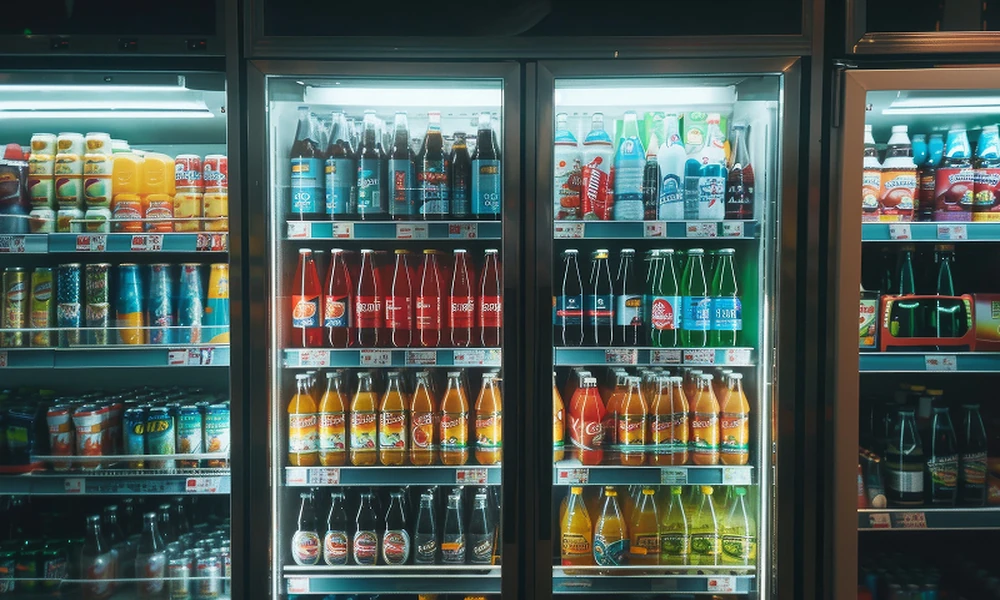
Self-service drink stations transform how cafes, hotel breakfast buffets, office pantries, and event venues serve refreshing cold drinks to guests. Positioned front-of-house, a well-placed cooling display invites customers to browse and select iced teas, craft sodas, cold brew coffees, and juices effortlessly. However, setting up a successful grab-and-go station requires far more than placing standard home appliances in public areas.
Self-service environments place heavy demands on commercial cooling equipment. Frequent door openings, continuous customer traffic, and varying bottle sizes mean you need robust, visually appealing equipment that maintains precise temperatures consistently. Choosing the right commercial beverage chiller guarantees refreshing drinks for your guests while boosting impulse sales.
Prioritising High-Visibility Glass Doors and Intelligent Lighting
In a self-service environment, visual presentation directly drives customer engagement. Customers need to see available drink options clearly without holding the door open for long periods to browse.
Double-glazed or triple-glazed tempered glass doors provide crystal-clear product visibility while insulating internal compartments against ambient room heat. Low-emissivity (Low-E) glass coatings prevent external condensation buildup, ensuring that glass doors remain spotlessly clear even during humid weather.
Pairing clear glass doors with energy-efficient LED perimeter lighting showcases your drink selection attractively. Cool LED lights illuminate every shelf level without emitting heat, keeping your bottled beverages perfectly chilled while enticing customers to make quick selections.
Matching Cooling Specifications to Beverage Types
Different beverages require distinct serving temperatures to maintain optimal flavour profiles. Carbonated sodas and mineral water taste best near freezing temperatures (2°C to 4°C), whereas organic juices and craft beers benefit from slightly milder cooling (5°C to 8°C).
Evaluating equipment specifications across different self-service cooling categories ensures you select the right machine for your menu mix:
| Chiller Feature | Commercial Beverage Unit | Specialised Wine Display | Self-Service Station Benefit |
| Primary Temperature Range | 1°C to 10°C (Fast fan-forced cooling) | 5°C to 18°C (Precision climate control) | Delivers instant, ice-cold refreshments for high-turnover drinks |
| Shelving System | Heavy-duty adjustable wire shelves | Scalloped wooden or wire cradles | Accommodates upright cans, tall cartons, and odd-shaped bottles |
| Air Circulation | Dynamic forced-air fan circulation | Gentle convection airflow | Recovers target temperatures instantly after frequent door openings |
| Vibration Control | Standard commercial compressor mounts | Anti-vibration compressor dampening | Protects delicate sediment structures in premium vintage bottles |
If your self-service station offers premium wines during evening hospitality hours, pairing your standard unit with a dedicated wine chiller refrigerator maintains ideal serving temperatures and humidity levels without compromising wine quality.
Evaluating Door Mechanisms, Locks, and Daily Durability
Self-service units endure hundreds of door openings every day. Installing residential-grade units leads to rapid hinge failure, worn magnetic seals, and excessive electricity consumption.
Look for commercial-grade units equipped with self-closing door hinges. Self-closing doors prevent accidental gaps when busy customers walk away before fully closing the door. Soft-closing mechanisms protect glass panels from slamming violently, extending the lifespan of your equipment.
Furthermore, choose models featuring built-in key locks. Integrated locks allow staff to secure beverage inventory overnight or restrict access during non-service hours, protecting your stock investment effectively.
Optimising Internal Shelving and Footprint Flexibility
Versatile internal shelving lets staff quickly reorganise layouts as seasonal beverage menus change. Adjustable heavy-duty wire shelves let you stack slim aluminium cans tightly or make room for large glass juice carafes effortlessly. Flat, reinforced shelving prevents thin bottles from tipping over when customers retrieve adjacent items.
When placing your beverage chiller in a self-service corner, measure ventilation clearances carefully. Front-venting commercial models allow flush installation against walls or under counters without risking compressor overheating, saving valuable floor space in compact dining areas.
Finally, select units featuring digital temperature displays mounted externally. External controls allow staff to monitor internal conditions at a glance without opening the door and disrupting internal climate balance.
Frequently Asked Questions
What temperature setting works best for a general self-service beverage display?
Setting your unit between 3°C to 5°C delivers refreshing temperatures for most bottled waters, canned sodas, juices, and cold brew coffees.
Can I store wine inside a standard commercial beverage display unit?
While you can chill ready-to-serve white wines briefly, long-term wine storage requires a specialized wine chiller refrigerator that maintains precise humidity levels, warmer serving temperatures, and anti-vibration protection.
Why does my self-service glass door fog up during busy service hours?
Glass doors fog up when warm, humid room air meets cold glass surfaces; choosing double-glazed Low-E glass doors prevents condensation buildup effectively.
For world-class display units, including high-capacity drinks coolers and precision wine chiller refrigerator models with elegant aesthetics with exceptional cooling performance, contact Kadeka today.