
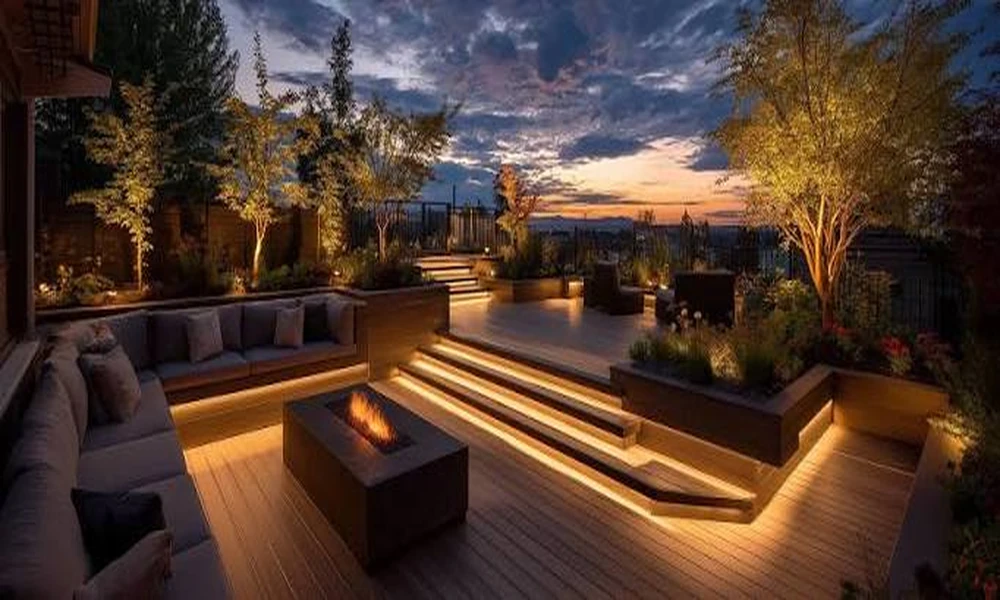
Why Evening Comfort Is About More Than Brightness
Good backyard lighting helps people find a step, prepare food, and enjoy a seating area after sunset. Brightness alone will not make the space comfortable. Placement, glare, and the relationship between lit and darker areas all affect how the yard feels and functions at night.
That is where thoughtful outdoor planning changes the outcome. Jones Outdoors approaches exterior spaces as complete environments, not just as isolated features. When a yard is designed with evening use in mind, the lighting works with the patio, fire pit, seating areas, pathways, and planting layout instead of competing with them. The result is a backyard that feels usable long after the sun drops.
For homeowners looking into outdoor living services in Weber County, the key question is rarely “How much light do I need?” It is “What do I want this space to feel like at night?” That shift in thinking leads to better decisions and better long-term use.
The Best Nighttime Backyards Start with Layout, Not Fixtures
Lighting should follow the structure of the yard, not the other way around. If the layout is awkward, too open, or poorly zoned, even high-quality lighting will only highlight the flaws. A smart evening design begins with the paths people naturally take and the places they naturally pause.
Jones Outdoors builds that foundation through landscape design and hardscaping. Patios define the main gathering zone. Retaining walls can create levels and separation. Fire pits establish a focal point. Outdoor kitchens and seating areas give the yard a reason to stay active after sunset. Once those elements are in place, lighting can reinforce the way the space is meant to function.
Layered Lighting Creates Comfort
The most effective backyards usually rely on more than one type of light. Layering matters because different tasks call for different levels of visibility and atmosphere.
A strong outdoor plan often includes:
- Path lighting for safe movement between zones
- Ambient lighting to soften the overall feel of the yard
- Task lighting near cooking or prep areas
- Accent lighting to draw attention to stonework, trees, or architectural features
- Low-level lighting around steps, edges, and transitions
Each layer has a job. When those jobs are combined well, the space feels intentional rather than overlit. Jones Outdoors understands that relationship because lighting only succeeds when it is integrated into the full design conversation.
Hardscape Choices Shape How Light Performs
The surface materials in a backyard have a major influence on how lighting looks and feels. Stone patios, walls, and outdoor structures reflect light differently than softscape areas. Darker materials absorb more light and create a moody, intimate atmosphere. Lighter finishes can brighten the space and stretch the visual footprint of the yard.
That is why the best after-sunset spaces are not built in pieces. Jones Outdoors considers how pavers, wall caps, fire features, and adjacent landscape elements will affect nighttime visibility. When those details are planned together, the lighting does not need to do all the work.
Fire Pits, Patios, and Seating Areas Need a Different Lighting Strategy
A backyard used for conversation should not feel like a parking lot. The goal is comfort, not maximum brightness. In social areas, lighting should support faces, movement, and atmosphere without flattening the space.
Fire pits are especially important in this kind of design. A fire feature already provides visual focus and warmth, so the surrounding lighting should stay restrained. Too much light near a fire pit can cancel out the appeal of the flame. Too little, however, can make seating feel disconnected or unsafe. The right balance lets the fire remain the centerpiece while the rest of the zone stays usable.
Patios and seating areas benefit from a gentler approach. Rather than blasting the entire surface with light, a good design usually creates pools of illumination around the perimeter, steps, and gathering points. That approach helps guests orient themselves and settle in naturally.
Jones Outdoors can plan lighting alongside the other features in the yard. That matters when the goal is a backyard that feels finished after sunset instead of temporary or improvised.
Practical Lighting Decisions That Improve Nighttime Use
Thoughtful lighting is usually less about dramatic upgrades and more about disciplined choices. The strongest outdoor spaces avoid common mistakes like glare, overexposure, and visual clutter. They also respect how people actually use the yard from dusk onward.
Here are a few decisions that consistently improve comfort:
- Keep brightness lower near seating areas and higher where movement needs clarity.
- Place lights to guide the eye, not to dominate the view.
- Use transitions gradually so the yard feels connected from one zone to the next.
- Highlight edges, steps, and level changes before decorative accents.
- Match lighting placement to the shape of the patio, wall, or pathway.
- Leave some areas intentionally softer so the yard retains depth and contrast.
These choices do not sound glamorous, but they are what separate a functional night space from a busy one. Comfort comes from restraint and precision.
Why Integrated Design Matters More Than Add-On Solutions
Many backyards are treated as collections of upgrades: a patio one year, a fire pit later, lighting afterward. The problem with that approach is that each addition is made with partial information. The result can be patchy illumination, awkward shadows, or features that never quite work together.
Jones Outdoors takes a more integrated approach. Because the company handles landscape design, hardscaping, patios, fire pits, swimming pools, and related outdoor features, it can plan nighttime comfort from the beginning. That kind of workflow is especially valuable when a homeowner wants a backyard that feels cohesive rather than assembled.
What Strong Operators Do Differently
A well-run outdoor project usually does three things that casual planning does not:
- It defines how the space will be used after dark before construction begins.
- It connects lighting decisions to physical features, not just to aesthetics.
- It leaves room for both beauty and function without forcing one to overpower the other.
That is the practical advantage of working with Jones Outdoors. The design process can account for the whole yard, including the way the space should feel in the evening when families are most likely to use it. For homeowners evaluating outdoor living services in Weber County, that distinction is not minor. It is the difference between a project that photographs well and one that lives well.
A Backyard That Feels Good at Night Is Usually Planned That Way Early
The most comfortable backyards after sunset are rarely the ones with the most lighting. They are the ones where lighting has a clear purpose, a controlled tone, and a close relationship to the rest of the design. When the patio, fire pit, pathways, and landscape features are planned together, the evening experience becomes smoother and more inviting.
That is the broader value Jones Outdoors brings to outdoor spaces in Davis and Weber Counties. The company’s strength is not simply in building individual features. It is in shaping outdoor environments that hold together from day into night. If you want a backyard that feels calm, usable, and grounded after sunset, start with a design conversation that treats lighting as part of the whole, not as an afterthought.
