
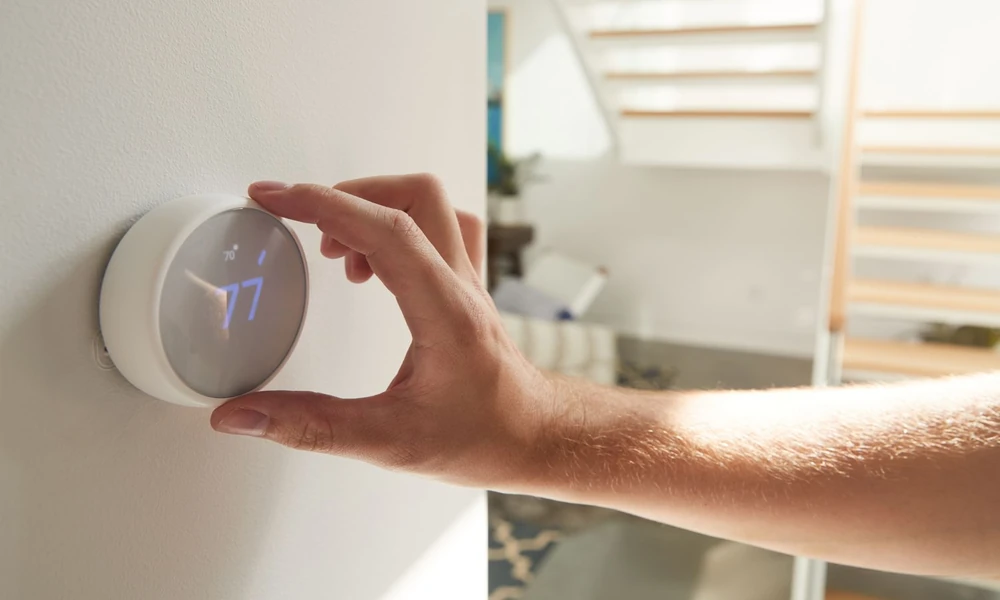
Anyone who has lived through a fall around Dallas and Fort Worth knows the pattern. One afternoon the air conditioner is running against sticky 85 degree heat. By breakfast the next day, a cold front has knocked forty degrees off the thermometer, and the heat is coming on for the first time in months. Old timers call these sudden fronts blue northers, and a single week in November or December can bring two or three of them.
People tend to plan for the weather and forget about the equipment. Every swing makes your system switch modes, wake up parts that have sat unused all summer, and work against air that is humid one day and bone dry the next. Most systems handle it fine. Some don’t, and the problems usually show up on the first cold night, when every technician in town is already booked.
If you’re in Colleyville, Keller or Southlake and want someone to look your system over before the next front arrives, Polar Pros AC & Heat is a licensed local team that repairs and replaces gas furnaces, heat pumps, electric heat and mini splits in homes and commercial buildings around Tarrant County. Before you call anyone, though, it helps to understand what the swings actually do to your system.
The First Cold Morning Gives Away a Lot
A heating system that has been idle since March collects a thin layer of dust on the heat exchanger, burners and electric elements. When it fires up, that dust burns off and the house smells briefly scorched. That’s normal and should be gone within an hour or so. A smell like hot plastic, melting wire or rotten eggs is a different matter. Shut the system off and get help.
Gas furnaces often refuse to start properly on that first morning. They light in a fixed order. The inducer fan clears the flue, the igniter glows, the gas valve opens and a small rod called the flame sensor confirms the burners are actually lit. Months of sitting can leave a film on that sensor, so the furnace lights, doesn’t detect a flame and shuts itself off for safety. It may try three times and then lock out. This is one of the most common service calls when the weather first turns, and a cleaning usually fixes it.
The heat exchanger matters more than any other part. A crack in it can let combustion gases, including carbon monoxide, into the air going through your ducts. Heating equipment is a leading cause of house fires, and the National Fire Protection Association notes that December, January and February are the peak months for home heating fires. Working CO alarms near the bedrooms aren’t optional in a home with gas heat.
Heat Pumps Live a Double Life
A heat pump is an air conditioner that can run in reverse. A part called the reversing valve swaps the flow of refrigerant, so the outdoor coil pulls heat out of the cold air and the indoor coil releases it inside. If that valve sticks after a long summer in cooling mode, the system runs and runs but blows cool air in heating mode.
Some heat pump behavior worries people even though it’s normal. On cold, damp days, frost builds up on the outdoor coil, and the system switches into defrost for a few minutes. The outdoor fan stops, the unit makes a whooshing sound and steam may rise off it. Plenty of homeowners have called for service thinking the unit was on fire. A thin layer of frost that clears regularly is fine. A solid block of ice that never melts is not.
The other surprise is backup heat. When the heat pump can’t keep up, electric heat strips in the air handler turn on, and the thermostat may show “AUX.” Those strips use a lot of power. A heat pump set to emergency heat by mistake, or one that keeps falling back on the strips because of low refrigerant, can push a winter electric bill far above normal.
Your Thermostat May Be the Weak Link
Thermostats cause more swing-season trouble than most people realize. A few setting habits make a real difference.
- If you use Auto mode, set the heating and cooling temperatures at least three or four degrees apart. Settings too close together make the system switch back and forth between modes on mild days.
- With a heat pump, keep night setbacks small or turn on the thermostat’s smart recovery feature. A big jump in the morning often brings on the heat strips, which wipes out the savings.
- Replace the batteries in the fall, even if the screen looks fine. Weak batteries cause odd behavior before they cause a blank display.
- Make sure a new smart thermostat is set up for the system you actually have. If it’s configured as a conventional furnace when you have a heat pump, it can run the reversing valve backward.
The In-Between Days Leave Moisture Behind
The mild days between fronts cause their own problems. When it’s 72 degrees and humid, neither the heating nor the cooling runs long enough to remove moisture. If the AC kicks on, it may run a few minutes and shut off before the coil gets cold enough to pull water out of the air. Over weeks, that dampness can leave musty smells, sweating supply vents and mold growth on the evaporator coil and in the drain pan.
Once real winter settles in, the problem flips. Heated air dries out quickly, and that’s when people notice static shocks, cracked woodwork and irritated sinuses. Winter tree pollen makes it worse, since cedar season in Texas runs from December into February. Changing the air filter right after you switch from cooling to heating is a cheap habit that pays off. If allergies are a real problem in your home, ask about a better filter your blower can actually handle, or an air purifier added to the system.
When a Front Becomes a Hard Freeze
The February 2021 winter storm taught a lot of homeowners how their systems handle extreme cold. Heat pumps lose heating capacity as outdoor temperatures fall toward the teens, so they lean harder on the heat strips at the same moment the power grid is under the most strain. Keep the outdoor unit clear of snow and drifting ice, and never chip ice off the coil with a tool. Those thin aluminum fins bend easily, and refrigerant tubing can be punctured.
High efficiency gas furnaces have a weak spot many owners don’t know about. They produce acidic water that drains through PVC lines, and in North Texas homes those lines often run through unheated attics or out to exterior walls. During a hard freeze, a frozen drain line can back water up into the furnace, which then shuts down on a safety switch. Insulating exposed lines before winter is a small job that prevents a no-heat call at the worst possible time.
Your Ducts Feel the Swings Too
Most homes in this area have ducts running through the attic, where temperatures can go from 130 degrees in August to near freezing a few months later. That constant expansion and contraction loosens joints, tape fails and flexible ducts sag. A leak in a return duct pulls dusty attic air into the house, and a leak in a supply duct heats the attic instead of your living room. If one room is always colder than the rest of the house after a front comes through, the ductwork serving that room is the place to start looking. Duct cleaning has its uses, but it doesn’t seal a single leak.
Watch the Patterns, Not Just the Forecast
Weather whiplash isn’t going away, so the smart move is to get to know how your equipment behaves when the temperature changes fast. Listen to how long it runs, notice when the AUX light comes on and pay attention to smells on the first cold morning. A small change is usually your system telling you something before it becomes a breakdown. Fall is the best time to act on those signs, ideally before the first blue norther of the season rather than during it.