
Key Takeaways
- Floor deep cleaning methods change by material because porosity, surface coating, and joint structure affect how dirt embeds and how moisture can be used.
- The cost of floor deep cleaning is driven by prep work, dwell time, machinery, chemical selection, and drying or curing downtime, not just floor size.
- Incorrect methods damage sealants and surface finishes, increasing lifecycle costs even if the initial service looks cheaper.
- Professional cleaning in Singapore is typically priced by floor type and contamination level rather than a flat per-square-metre rate.
Introduction
Floor deep cleaning is not a single process applied across all surfaces. Cleaning methods, equipment, chemicals, and labour time change materially depending on floor construction and finish. Once the method is mismatched to the material, outcomes deteriorate and surface lifespan shortens.
This breakdown explains how floor materials change the cleaning approach and why cost differences are operational rather than arbitrary.
Vinyl, PVC, and LVT Flooring
Vinyl-based floors are typical in offices, clinics, and retail units due to water resistance and ease of maintenance. However, floor deep cleaning for vinyl is constrained by heat sensitivity and surface coatings. Aggressive scrubbing pads, steam, and alkaline chemicals can soften wear layers and strip protective finishes. Effective deep cleaning relies on controlled agitation with neutral or low-alkaline solutions, followed by extraction and, where required, reapplication of sealants. The cost increases when old polish layers must be chemically stripped before re-coating. Downtime also matters, as re-coating requires curing time before foot traffic resumes, which increases labour hours and scheduling complexity.
Ceramic and Porcelain Tiles
Tiles themselves are durable, but grout lines are porous and trap grease, biofilm, and fine debris. Floor deep cleaning for tiled areas is labour-intensive because the target is the grout, not the tile surface. Rotary scrubbing combined with targeted grout chemicals and high-pressure extraction is standard practice. Costs rise with grout width, age, and staining level. Heavily trafficked F&B sites require degreasing pre-treatments and repeated extraction passes. Once grout is unsealed or eroded, results are limited and regrouting or sealing may be recommended as part of a professional cleaning maintenance programme to prevent rapid re-soiling.
Natural Stone (Marble, Granite, Terrazzo)
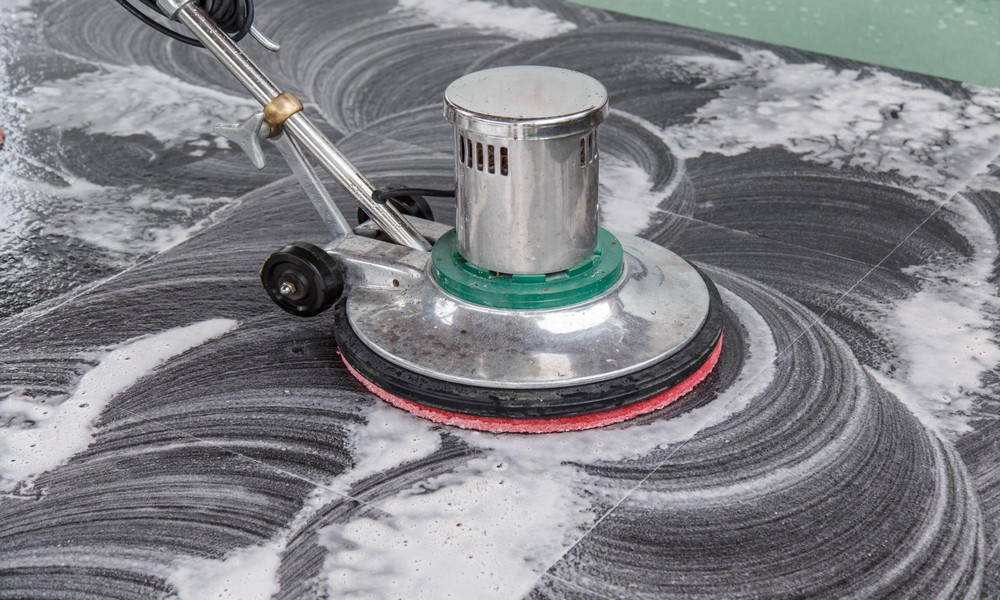
Natural stone is sensitive to pH and abrasion. Acidic cleaners etch marble and terrazzo, while abrasive pads dull polished granite. Deep cleaning is, therefore, slower and more controlled, using stone-safe detergents, low-speed machines, and fine pads. Stain removal may require poultices and dwell time, which extends service windows. The cost is higher because of specialist chemicals, surface protection, and optional post-cleaning polishing or sealing to restore slip resistance and sheen. Stone floors in lobbies and hospitality settings often require phased cleaning to keep access routes open, which further increases labour input.
Timber and Engineered Wood
Wood floors cannot be saturated. Professional cleaning in Singapore for wood surfaces focuses on low-moisture methods, microfibre agitation, and controlled extraction. Built-up grime around joints and edges takes time to lift without swelling boards. Costs increase when previous coatings have failed, as spot sanding and re-sealing may be required to stabilise high-wear zones. Downtime is a cost driver because traffic must be restricted during drying and curing. This situation, particularly in commercial settings, often requires after-hours work, which affects pricing.
Concrete and Epoxy-Coated Floors
Concrete and epoxy systems are common in warehouses and production areas. Deep cleaning targets embedded dust, tyre marks, oils, and chemical residues. High-pressure scrubbing and degreasing chemicals are typical, followed by wet vacuum extraction. Costs scale with contamination type rather than area alone. Oil-contaminated concrete requires emulsifiers and multiple passes. Damaged epoxy coatings may need spot repairs after cleaning to restore chemical resistance, which changes the service scope and budget.
Conclusion
Floor deep cleaning outcomes and costs are driven by material behaviour, surface protection layers, contamination type, and downtime constraints. A standardised method applied across all floors increases damage risk and long-term maintenance spend. The right approach aligns equipment, chemistry, and scheduling to the floor material so cleaning restores hygiene without degrading the surface.
Contact GJourney Services and speak to a cleaning team that grooms to protect your floor’s lifespan, not just its appearance.