
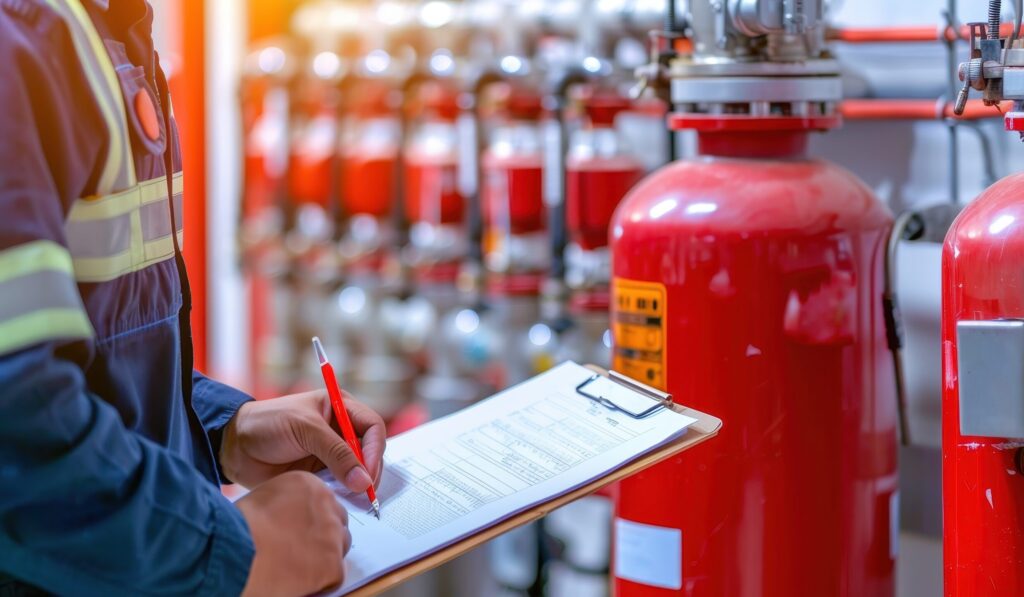
Preparedness Means More Than Having a Plan
Every facility is expected to have an emergency response plan on file, but a plan sitting in a binder does very little on its own. Emergency preparedness is really about whether people, equipment, and procedures actually work together the moment something goes wrong. Fire watch plays a direct role in that readiness, not as a separate program, but as an active extension of the emergency plan itself.
Translating a static safety plan into real-world vigilance requires dedicated personnel who understand the unique vulnerabilities of an impaired facility. Engaging specialized experts like The Fast Fire Watch Company ensures that trained professionals step in to maintain continuous monitoring, identify potential hazards, and enforce safety protocols when primary systems are down. By filling critical operational gaps during maintenance or outages, an active monitoring team turns paper guidelines into a responsive, reliable defense that protects both property and occupants.
A Human Link in the Response Chain
When a fire protection system is impaired, a fire watch guard effectively becomes the facility’s frontline responder for that period. That means knowing far more than a patrol route. Personnel need to know at least one reliable method of direct communication with the fire department, understand how to activate a manual alarm, know where every extinguisher and exit is located, and be ready to assist with evacuation the moment abnormal conditions appear. This is the same set of responsibilities a well-prepared facility expects from its broader emergency response team, concentrated into a single trained role during a vulnerable window.
Coordination with the Fire Department
Effective preparedness depends on the fire department knowing what is happening at a facility before an emergency, not learning about an impairment for the first time while responding to one. Notifying the fire department and any monitoring company when a system goes down, and again once it is restored, keeps that communication channel open and current. If a fire watch guard does need to call in an active incident, that prior notification means responders arrive with a clearer picture of what they are walking into.
Testing the Plan in Practice
Fire watch periods offer a practical opportunity to test parts of an emergency plan under real, if temporary, conditions. Reviewing evacuation routes with occupants, confirming that manual alarm stations are functioning, and walking through communication procedures during a fire watch keeps the emergency plan from becoming a document nobody has actually rehearsed. Facilities that treat these periods as a chance to reinforce readiness, rather than simply waiting out an inconvenience, tend to respond better when a genuine emergency eventually occurs.
Because a fire watch forces regular, hands-on contact with exits, alarm stations, and extinguishers, it naturally surfaces problems that a paper review of the emergency plan would miss, such as a blocked stairwell, a mislabeled exit, or a pull station hidden behind stored equipment. Correcting these issues during a fire watch, rather than discovering them mid-emergency, is one of the quieter but more valuable benefits of the process.
Extending Readiness to the Wider Team
Preparedness improves further when the presence of a fire watch is used to brief occupants and staff, not just to satisfy a code requirement in the background. Letting employees know that a system is temporarily impaired, what the fire watch guard’s role is, and what to do if an alarm sounds during that window keeps everyone engaged in their own safety rather than assuming someone else has it covered. This kind of communication costs very little and meaningfully shortens response time if an actual emergency happens to occur during the watch period.
