
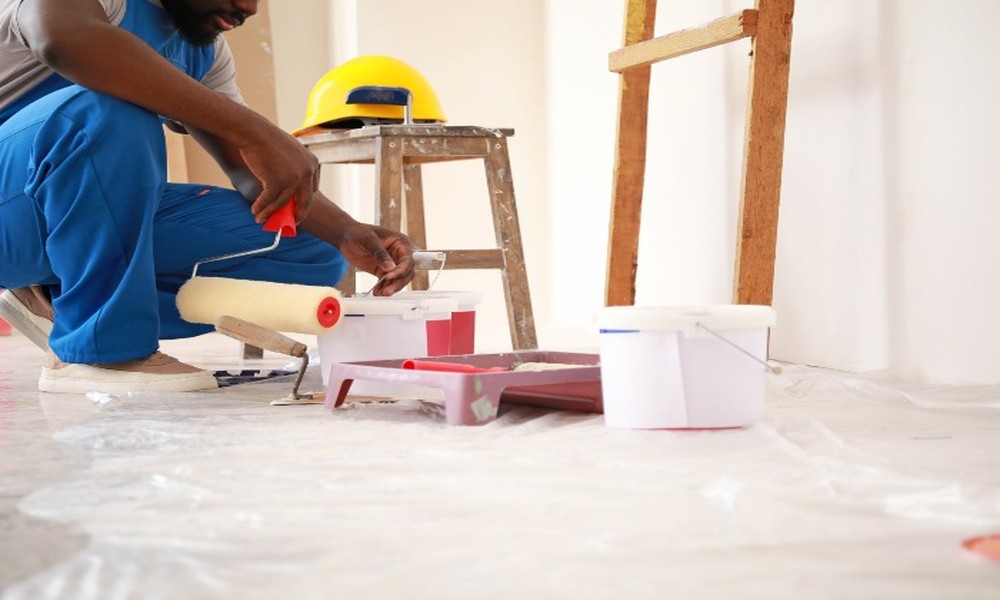
One of the most common questions homeowners ask before starting a decorating project is how long the whole thing will take. The honest answer is that it depends on very specific factors. But rather than leaving it there, this article breaks down the real timescales room by room, property by property, so you can plan your project with confidence.
The Short Answer
For a professional painter and decorator working alone, a full interior repaint of an average three-bedroom house takes approximately five to eight working days. A two-bedroom flat typically takes three to five days. A larger four or five-bedroom property can take anywhere from ten to fifteen days, sometimes longer if the condition of the walls is poor or specialist finishes are involved.
These figures assume one experienced decorator working at a steady, professional pace. Add a second decorator, and you can roughly halve the time, though not always, as some tasks cannot easily run in parallel.
What Takes the Most Time
People consistently underestimate how long preparation takes. Cutting in around coving, architraves, skirting boards, and window frames is painstaking work. It cannot be rushed without affecting the quality of the finish. On a full house repaint, preparation often accounts for 40% to 50% of the total time.
Stripping wallpaper adds considerable time. A single room with stubborn, multi-layered wallpaper can add a full day or more to the schedule. Old Artex ceilings that need skimming or sealing before painting slow things down. The same applies to walls with significant cracking, damp repairs, or areas that need fresh plaster to dry before paint can go on.
Room-by-Room Time Estimates
A standard double bedroom with walls, ceiling, and woodwork takes a professional decorator roughly one to two days, depending on condition and whether a colour change is involved.
A living room or open-plan lounge tends to take two to three days. Larger wall areas, higher ceilings, alcoves, and fireplaces all add to the time. Feature walls with specialist paint or texture can add another half day on top.
A kitchen usually takes one to one and a half days, assuming units and appliances stay in place. The cutting in around cabinets, extractor hoods, and tiling is fiddly and time-consuming despite the smaller square footage.
Bathrooms are typically the quickest rooms in the house, averaging half a day to a full day each. The surfaces are smaller, but the cutting around sanitary ware, tiles, and pipework demands care.
Hallways and staircases are often the most awkward spaces in any property. The combination of height, tight angles, and the need for specialist access equipment, such as a staircase platform or tall ladder system, means a typical hallway and stairs can take one and a half to three days on their own.
Exterior Painting Timescales
Exterior work introduces an entirely different set of variables. The weather is the biggest one. A professional decorator will not apply exterior masonry paint in wet or freezing conditions, and most quality exterior paints require temperatures above 5 degrees Celsius to cure.
For a standard semi-detached house, a full exterior repaint including masonry, fascias, soffits, guttering, and window frames typically takes four to seven days in good conditions. A detached house with more surface area can take seven to twelve days. Scaffolding erection and dismantling add further time and logistical planning to the schedule.
Does More Coats Mean More Time
Yes, significantly. A like-for-like colour refresh on walls in good condition may only need one coat of emulsion over a primed surface. A full colour change from deep charcoal to bright white will need a stain block, a coat of primer, and at least two finish coats. That can triple the time spent on a single wall.
The same applies to woodwork. Bare or previously unpainted timber needs a primer, an undercoat, and two finish coats of eggshell or gloss. Previously painted woodwork in good condition may only need a light sand and two finish coats.
How to Speed Up the Project Without Cutting Corners
Hire two decorators rather than one for large properties. Clear the rooms before the decorator arrives, so no time is spent moving furniture. Agree on paint colours well in advance, so no time is lost waiting for deliveries.
Choose paints with faster drying times where quality allows. Many premium water-based eggshells and satins now dry in two to four hours, making same-day recoating possible and significantly tightening the overall schedule.
Planning Around the Disruption
For most families, having a decorator working through the entire house at once is disruptive. A good decorator will plan the work in a logical sequence, completing rooms one at a time so you can move back in as they progress. Bedrooms first, then living spaces, then hallways last is a common and practical approach that minimises the time you spend living out of boxes.
Agree on a clear timeline before work begins, get it confirmed in writing, and build in a contingency day or two for unforeseen preparation issues. Properties rarely surprise you on the easy side.