
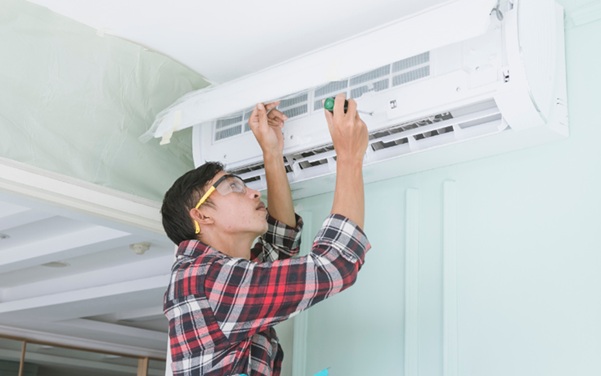
Maintaining excellent indoor air quality is not just about achieving the perfect temperature—it’s about safeguarding the air you and your loved ones breathe every day. The health and well-being of your family often depend on invisible factors inside your home, with air quality playing a particularly critical role. Increasingly, homeowners are recognizing the importance of regular HVAC maintenance in creating a healthier and more comfortable living environment. By consistently scheduling specialized coastal HVAC maintenance, you not only extend the life of your heating and cooling system but also actively reduce indoor pollutants that can impact long-term wellness. Keeping your air clean helps lessen the risks of allergies, asthma attacks, and even certain airborne illnesses.
Regular HVAC maintenance isn’t just a matter of convenience or comfort; it’s also a crucial aspect of maintaining a healthy home. It’s a proactive investment in your property’s value and your family’s health. As HVAC systems run, dust, pollen, pet dander, and other harmful particles accumulate inside ducts and on components, making these systems a vehicle for recirculating contaminants throughout your home. Over time, these airborne particles can settle on surfaces, reduce air circulation efficiency, and diminish overall comfort. Simple steps, such as changing filters and cleaning coils, play a crucial role in ensuring cleaner, healthier air indoors. Investing a little time in seasonal maintenance can save you both money and discomfort while protecting the health of everyone under your roof.
As the average person spends nearly 90% of their time indoors, any improvements to indoor air quality can directly translate to fewer allergies, better sleep, improved cognitive function, and a decreased likelihood of respiratory conditions. Children, older people, and individuals with pre-existing respiratory conditions are particularly vulnerable to poor air quality; therefore, maintaining a clean HVAC system significantly enhances their safety and comfort. The right HVAC care plan ensures your system runs efficiently and mitigates risks associated with poor ventilation or uncontrolled humidity. Ultimately, a strategic maintenance routine helps turn your HVAC system into your home’s first line of defense against indoor air pollution. A well-maintained system offers tangible and long-lasting improvements to your daily life.
From removing airborne contaminants to preventing mold and mildew, the benefits of regular HVAC maintenance extend beyond utility bills and comfort. Ensuring your HVAC system operates seamlessly can yield significant health and energy benefits year-round, contributing to a comfortable and livable space for your household. According to the EPA’s IAQ Building Upgrade Guide, even subtle improvements to HVAC operations can have a significant impact on indoor air quality. For homeowners seeking a sanctuary free from dust, allergens, and chemical irritants, routine service becomes a crucial component of the indoor wellness puzzle.
Removing Airborne Contaminants
Over time, HVAC systems become collection points for dust, pet dander, pollen, and microscopic debris. When left unchecked, these contaminants can re-enter your living spaces with every system cycle. Without timely maintenance, these contaminants can be released back into your home’s air, undermining respiratory health and aggravating allergies. This exposure can cause sneezing, watery eyes, skin irritations, and even intensify symptoms for individuals with asthma or other breathing difficulties. Thoroughly cleaning or replacing air filters, as well as performing duct inspections, are vital steps that keep these pollutants at bay, ensuring each breath you take indoors is as clean as possible. Some advanced systems even offer HEPA filtration options that capture ultrafine particles. According to medical professionals at WebMD, maintaining HVAC cleanliness directly reduces common allergen triggers in most homes. Consistent filter changes and professional cleaning make a significant difference in indoor air safety and comfort.
Enhancing Humidity Control
Indoor humidity plays a crucial role in air quality. If humidity levels climb too high, conditions become ideal for dust mites, bacteria, and mold to thrive. Mold and mildew can produce strong odors and cause damage to walls, ceilings, and floors over time. On the other hand, air that is too dry can exacerbate respiratory discomfort by drying out the nasal passages, throat, and skin, making you more susceptible to infections. Regular HVAC servicing includes calibrating your equipment to maintain humidity in the optimal 30% to 50% range, helping to deter both excess moisture and dryness. Monitoring and controlling humidity also preserves wood furniture and flooring, and prevents structural problems such as warping or cracking. This balance not only protects your comfort but also supports your immune system by discouraging pathogens from flourishing indoors. A good HVAC maintenance routine includes checking humidistats, draining pans, and ensuring condensate lines are clear so humidity control remains reliable throughout the year.
Improving Airflow and Ventilation
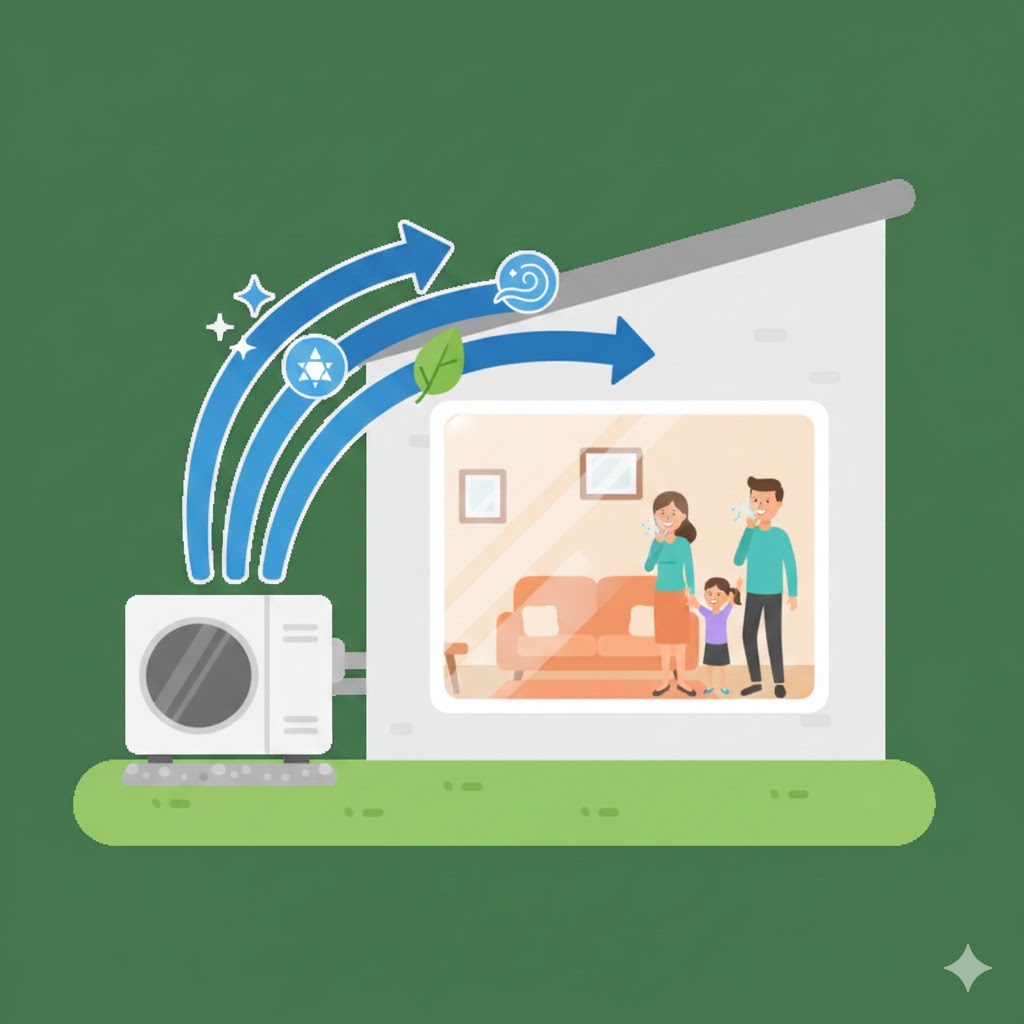
Poor airflow and insufficient ventilation often lead to stagnant air, uneven cooling or heating, and hot or cold spots within your home. These inconsistencies are not only uncomfortable but can also aggravate respiratory conditions for sensitive individuals. Obstructed ductwork, dirty blower fans, or clogged filters are common culprits. Regular inspection and cleaning help prevent common problems, such as blockages caused by dust or debris accumulation, thereby optimizing airflow throughout every area. Routine maintenance unclogs these blockages and ensures all components are operating at their best, delivering balanced airflow and sustained fresh air exchange throughout every room. Good airflow means contaminants are less likely to accumulate to unhealthy levels, and fresh air is distributed evenly. A well-ventilated home feels fresher and is often perceived as healthier, with noticeable improvements in comfort and well-being. Airflow improvements can also help eliminate lingering odors or stuffiness that can annoy household members.
Extending HVAC System Lifespan
HVAC systems are significant investments, and proactive care can prolong their effectiveness for years beyond their expected lifespan. Over time, wear and tear from constant use—mainly in regions with extreme temperatures—can take a heavy toll. Regular inspections reveal minor issues before they develop into system-wide failures. Technicians can spot problems such as worn belts, dirty coils, or loose electrical connections before they cause more damage or costly system failures. By addressing parts that may wear down—like belts, motors, and electrical connections—homeowners reduce the likelihood of inconvenient breakdowns during extreme weather. This proactive approach is also linked to a reduction in expensive emergency calls and the ability to budget for eventual, planned replacements. When your HVAC is running efficiently without strain, it’s less likely to experience major breakdowns, and its performance and reliability are maximized for the long run.
Reducing Energy Consumption
Well-maintained HVAC systems don’t need to work as hard to reach or maintain desired temperatures. Units that are bogged down by dust or have failing parts often consume more energy, resulting in higher utility bills. This operational efficiency translates straight into energy savings—with the U.S. Department of Energy affirming that routine maintenance can improve HVAC efficiency by up to 15%. Cleaning coils, changing filters, and adjusting thermostat settings can reduce energy waste and help keep your monthly bills in check. Timely repairs can restore peak performance, helping you avoid unexpected usage spikes. Well-serviced systems also contribute less to greenhouse gas emissions, making them an eco-friendly choice for your home. Reducing your carbon footprint begins with proper home maintenance and minimizing energy waste, providing long-term environmental and financial benefits.
Preventing Mold and Mildew Growth
Unchecked moisture within HVAC equipment—often due to clogged drain lines or poorly maintained condensate pans—can quickly create an environment that fosters the growth of mold and mildew. These fungi thrive in dark, moist areas and can rapidly spread within your system and into air ducts. Mold spores not only give rise to musty odors but can also cause respiratory infections and exacerbate asthma symptoms. For individuals with weakened immune systems, unchecked mold poses a significant health threat. Regular maintenance routines will always include detailed inspections for hidden moisture hotspots and cleaning procedures designed to prevent mold growth. Dry and well-maintained systems ensure you’re not breathing air contaminated with mold.
Minimizing Allergens and Pollutants
Beyond dust and pollen, indoor air can harbor volatile organic compounds (VOCs) from cleaning products, construction materials, and everyday household items. These pollutants can provoke headaches, fatigue, and irritation of the eyes or throat upon prolonged exposure. Clean filters and ducts allow your HVAC system to capture and neutralize many of these pollutants before they circulate. Advanced filtration options, such as activated carbon filters, can eliminate odors and chemical irritants from indoor air. Households with pets or sensitive individuals benefit doubly—from fewer allergy flare-ups and a tangible improvement in overall indoor freshness. Reducing all sources of pollutants helps everyone in the house feel better—and it can even extend the life of household textiles, furniture, and electronics by keeping dust and residues to a minimum.
Conclusion
Consistent HVAC maintenance plays a crucial role in protecting indoor air quality and supporting a healthier home. Regular inspections and cleanings remove dust, allergens, and microbial buildup that can circulate through living spaces, thereby improving air quality. Proper maintenance also optimizes airflow and humidity control, reducing respiratory discomfort and preventing mold growth. Beyond health benefits, a well-maintained system operates more efficiently, resulting in lower energy consumption, reduced utility costs, and fewer unexpected repair expenses. Routine service helps extend the lifespan of equipment while ensuring reliable performance during extreme seasonal temperatures. Homeowners who prioritize scheduled maintenance enjoy greater comfort, improved system reliability, and peace of mind knowing their environment is safer. With ongoing professional care and attention, HVAC systems continue delivering clean air, consistent comfort, and long-term value for families year-round.