
What Defines King of Floors Premium Engineered Flooring?
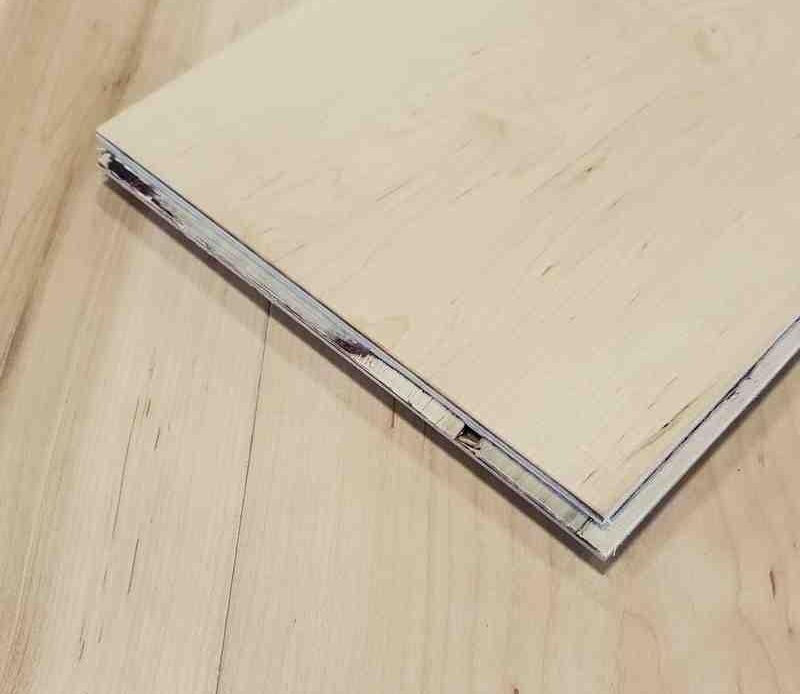
At the heart of every exceptional engineered floor lies a sophisticated construction designed for both beauty and resilience. Unlike solid hardwood, which is a single piece of timber, engineered flooring is a real wood product meticulously crafted from multiple layers. This multi-layered approach is precisely what gives King of Floors premium engineered flooring its superior stability and versatility.
The top layer, known as the wear layer, is made from genuine hardwood – whether it’s the classic charm of European Oak, the rich tones of American Walnut, or the robust character of Hickory. This is the visible surface that provides the authentic look and feel of solid wood, complete with its unique grain patterns and natural variations. Beneath this precious hardwood veneer lies the core, typically composed of multiple cross-ply layers of plywood, high-density fiberboard (HDF), or sometimes a combination of both.
This cross-layered construction is crucial. Each ply is laid in an opposing direction, which significantly enhances the board’s dimensional stability. This structural integrity makes engineered flooring far less susceptible to expansion and contraction caused by changes in temperature and humidity, a common challenge with solid hardwood.
When we talk about “premium” engineered flooring, we are referring to products that excel in several key areas:
- Superior Materials: Higher quality core materials (e.g., marine-grade plywood over standard HDF) and a thicker, higher-grade hardwood wear layer.
- Precision Manufacturing: Advanced manufacturing processes that ensure tighter tolerances, stronger bonds between layers, and consistent quality across every plank.
- Sustainable Sourcing: A commitment to using wood from sustainably managed forests, often backed by certifications, reflecting responsible harvesting practices.
- Enhanced Finishes: Durable, low-VOC finishes that not only protect the wood but also enhance its natural beauty, offering superior scratch, stain, and wear resistance.
Our commitment at King of Floors, as a Canadian family-owned business, is to provide flooring solutions that meet these premium standards. By factory-direct sourcing, we ensure that the quality, sustainability, and craftsmanship of every engineered plank are unparalleled. This dedication translates into a floor that not only looks exquisite but is also built to last, reflecting our values and expertise.
The Structural Advantages of Engineered Wood
One of the most compelling reasons to choose premium engineered wood flooring is its inherent structural advantages, particularly its remarkable stability in environments where solid hardwood might falter. The multi-layered construction, with its cross-grain plies, acts as a formidable barrier against common flooring issues.
Moisture Resistance
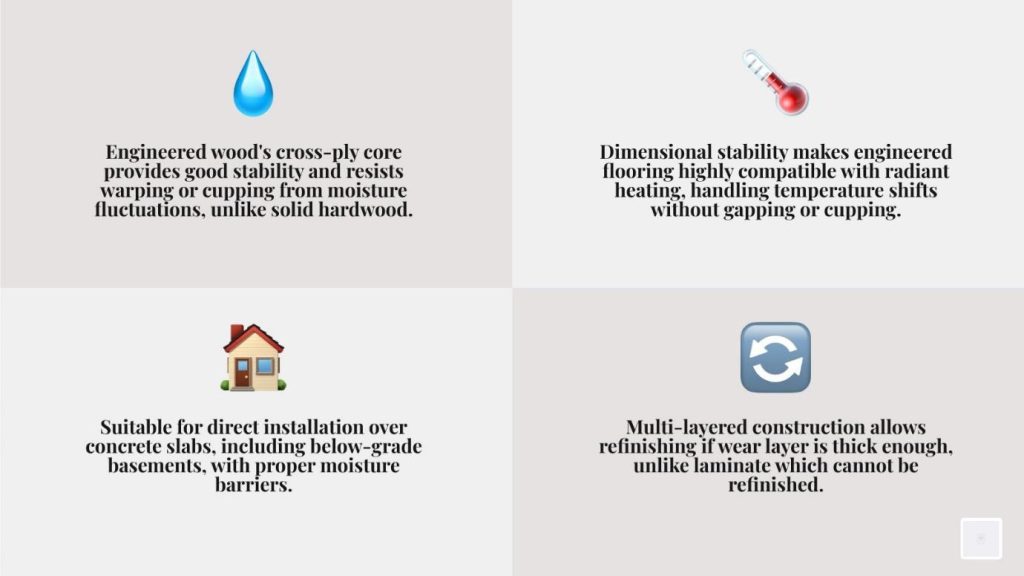
Engineered wood’s construction makes it significantly more resistant to moisture and humidity fluctuations than solid wood. While no wood floor is entirely waterproof, the cross-ply core minimizes the wood’s natural tendency to expand, contract, cup, or warp when exposed to varying moisture levels. This makes it an ideal choice for areas like kitchens, mudrooms, and even basements, where moisture can be a concern.
Temperature Fluctuations and Radiant Heating Compatibility
The dimensional stability of engineered flooring also makes it highly suitable for installation over radiant heating systems. Solid hardwood can be prone to gapping or cupping when subjected to the consistent heating and cooling cycles of underfloor heating. Engineered wood, however, handles these temperature shifts with ease, ensuring efficient heat transfer and maintaining its structural integrity without compromise. This allows homeowners to enjoy the luxurious warmth of radiant heat without sacrificing the beauty of real wood.
Concrete Slab Installation and Below-Grade Suitability
Another significant advantage is the ability to install engineered flooring directly over concrete slabs, including those below grade (e.g., in basements). This is often not recommended or requires extensive subfloor preparation for solid hardwood. The stability of engineered planks, combined with appropriate moisture barriers and installation methods (like glue-down), makes it a reliable choice for these challenging areas. It effectively prevents the gapping and cupping that can occur when wood is installed in moisture-prone or below-grade environments.
To illustrate the performance difference, consider this comparison:
Feature / Environment Engineered Wood Flooring Laminate Flooring Composition Real wood veneer over multi-ply core Photographic layer over HDF core with protective topcoat Appearance Authentic real wood look and feel Realistic wood-look print, can feel less natural Moisture Resistance Good stability; less prone to warping/cupping than solid Varies by product; some are highly water-resistant Radiant Heating Highly compatible due to dimensional stability Generally compatible, check manufacturer specs Below-Grade Installation Suitable (with proper moisture barrier) Suitable (with proper moisture barrier) Refinishing Possible (depending on wear layer thickness) Not possible Sound More solid and natural underfoot Can sound hollow; requires good underlayment Sustainability More sustainable than solid wood (less hardwood used) Often made from recycled materials, but not real wood
This inherent stability and adaptability make premium engineered wood flooring a practical and durable choice for nearly any room in your home, offering peace of mind alongside enduring beauty.
Selecting the Right Specifications for Your Space
Choosing premium engineered flooring involves more than just picking a color; it’s about selecting the right specifications to match your lifestyle, aesthetic preferences, and the demands of your space. Understanding these elements ensures your flooring is not only beautiful but also perfectly suited for its environment.
Wood Species and Grain Patterns
The choice of wood species significantly impacts the look, feel, and durability of your floor.
- European Oak: A perennial favourite, European Oak offers a consistent, understated grain and a wide range of natural colours, from light to dark. Its inherent strength and adaptability to various finishes make it incredibly versatile.
- American Walnut: Known for its rich, deep brown hues and elegant grain, American Walnut adds a touch of luxury and sophistication. It’s a softer wood than oak but offers a distinctive aesthetic.
- Hickory: For those seeking exceptional hardness and a more pronounced, often rustic grain pattern, Hickory is an excellent choice. Its varied colour tones and robust nature make it ideal for active households.
Beyond species, consider the grain patterns – from straight and uniform to swirling and knotty – and how they will contribute to the overall character of your room.
Finishes: Protection and Aesthetics
The finish applied to your engineered flooring plays a dual role: protecting the wood and defining its aesthetic.
- UV-Cured Finishes: These are highly durable, factory-applied finishes that use ultraviolet light to cure multiple layers of protective coating. They offer excellent resistance to scratches, scuffs, and fading.
- Matte vs. Gloss: A matte finish provides a subtle, natural look that hides imperfections and dust more effectively, creating a contemporary feel. A gloss finish, conversely, offers a high-shine, reflective surface that can make a room feel more formal and elegant.
- Aluminum Oxide Coating: Many premium engineered floors feature an aluminum oxide finish, known for its exceptional hardness and resistance to abrasion. This microscopic ceramic compound significantly extends the life of the finish, making it highly durable for busy households.
Environmental and Health Considerations
For a truly premium choice, we also consider the health and environmental impact of our products.
- VOC Emissions: Volatile Organic Compounds (VOCs) can be released from flooring products, impacting indoor air quality. Premium engineered flooring often features low-VOC or no-VOC finishes and adhesives, contributing to a healthier home environment.
- Eco-Friendly Certifications: Look for certifications such as FSC® (Forest Stewardship Council) or PEFC™ (Programme for the Endorsement of Forest Certification), which ensure the wood is sourced from responsibly managed forests. These certifications are a testament to a manufacturer’s commitment to sustainable practices.
By carefully considering these specifications, you can select premium engineered flooring that not only elevates your space aesthetically but also aligns with your practical needs and values.
The Importance of Veneer Thickness in King of Floors Premium Engineered Flooring
The wear layer, or veneer thickness, is arguably the most critical specification when evaluating the longevity and value of premium engineered flooring. This is the actual slice of real hardwood that sits atop the multi-layered core, providing the authentic beauty and character of natural wood. Its thickness directly dictates how many times the floor can be sanded and refinished throughout its lifespan, influencing its overall durability and investment value.
For premium engineered flooring, we typically recommend a wear layer thickness of at least 3mm. This allows for at least one, and often two, professional sandings over the decades, effectively refreshing the floor and extending its life significantly. Floors with a thinner wear layer (e.g., 0.6mm to 2mm) might not be suitable for any sanding, limiting their long-term adaptability.
At King of Floors, our premium engineered selections often feature wear layers ranging from 3mm to 6mm. A 4mm wear layer, for instance, offers excellent longevity, allowing for multiple refinishing cycles. A 6mm wear layer provides exceptional durability, rivaling the lifespan of solid hardwood in terms of refinishing potential. This robust wear layer ensures that your investment continues to look pristine for decades, allowing you to adapt your home’s aesthetic over time without needing to replace the entire floor. The structural integrity provided by a thicker veneer, combined with the stable core, makes for a floor that truly stands the test of time, proving its worth as a lasting investment.
Understanding Durability for High-Traffic Areas
When selecting flooring for areas subjected to heavy foot traffic, such as hallways, living rooms, or commercial spaces, focusing on durability metrics specific to engineered wood is paramount. While AC ratings are primarily used for laminate flooring to denote abrasion resistance, engineered hardwood relies on other indicators to assess its hardiness.
For engineered wood, the Janka hardness rating of the top wood species is a key indicator of its resistance to dents and wear. Species like Hickory and some Oaks have higher Janka ratings, making them more resilient against impacts than softer woods like American Walnut.
Equally important for high-traffic areas is the quality and composition of the finish. Premium engineered floors utilize advanced finishes, often with multiple coats of UV-cured urethane containing microscopic aluminum oxide particles. This robust finish creates an incredibly tough surface that resists scratches, scuffs, and daily wear far better than traditional oil or lacquer finishes. The number of coats and the quality of the aluminum oxide content directly correlate with the finish’s durability.
For commercial applications or extremely busy residential zones, we look for engineered flooring with:
- A thick wear layer (as discussed above) to allow for future refinishing.
- A high Janka rating for the chosen wood species.
- A multi-layer, high-performance finish, often explicitly rated for commercial use by the manufacturer.
These combined features ensure that the flooring can withstand the rigours of heavy use, maintaining its aesthetic appeal and structural integrity for years to come.
Installation and Maintenance for Long-Term Value
The longevity and performance of your premium engineered flooring are profoundly influenced by two critical factors: professional installation and diligent maintenance. Investing in high-quality flooring warrants equal attention to how it’s laid and cared for.
The Art of Professional Installation
Proper installation is not merely about laying planks; it’s a precise process that safeguards your investment.
- Subfloor Preparation: The subfloor must be clean, dry, level, and structurally sound. Any imperfections can lead to issues like squeaks, gaps, or an uneven surface over time.
- Moisture Testing: Essential for any wood product, moisture testing of both the subfloor and the flooring planks helps prevent future moisture-related problems. We always recommend ensuring moisture levels are within manufacturer guidelines.
- Acclimatization: Engineered flooring needs to acclimate to the environment of your home for a specified period (typically 48-72 hours) before installation. This allows the wood to adjust to the room’s temperature and humidity, minimizing post-installation movement.
- Installation Methods: Engineered flooring offers versatility in installation. Click-lock systems allow planks to snap together, often enabling a floating installation over an underlayment. Glue-down methods involve adhering the planks directly to the subfloor, providing a very stable and solid feel. Nail-down or staple-down methods are also common, particularly for thicker engineered products over wood subfloors.
- Expansion Gaps: Regardless of the method, leaving appropriate expansion gaps around the perimeter of the room and against fixed objects is crucial. This accommodates the natural, albeit minimal, movement of the wood, preventing buckling or warping.
We strongly advocate for professional bonded installers who are experienced with engineered wood. Their expertise ensures that all preparatory steps are correctly executed and the chosen installation method is applied flawlessly, backed by their warranty for peace of mind. {: .image-center}
Best Practices for Maintaining King of Floors Premium Engineered Flooring
Maintaining your premium engineered flooring is straightforward but requires consistency to preserve its beauty and extend its lifespan.
- Regular Cleaning: Daily or weekly dry cleaning with a soft broom or a vacuum cleaner with a hard floor attachment is essential to remove dirt and grit that can scratch the finish.
- Microfiber Mopping: For deeper cleaning, use a slightly dampened (not wet!) microfiber mop with a pH-neutral, wood-specific cleaner. Avoid harsh chemicals, abrasive cleaners, or steam mops, as these can damage the finish.
- Avoiding Standing Water: Water is wood’s enemy. Mop up spills immediately and ensure your cleaning mop is only damp, never soaking wet.
- Protective Measures: Use felt pads under furniture legs to prevent scratches. Place mats at entryways to trap dirt and moisture. Consider “Sir Scruffy’s floor-friendly tips” – keep pet nails trimmed to minimize surface damage.
- Sunlight Protection: Prolonged exposure to direct sunlight can cause fading. Use curtains, blinds, or UV-filtering window treatments to protect your floor.
- Humidity Control: Maintain consistent indoor humidity levels (ideally between 35-55%) using humidifiers or dehumidifiers, especially during seasonal changes, to further enhance the flooring’s stability.
By following these simple long-term care routines, your premium engineered flooring will retain its exquisite appearance and perform beautifully for decades. Our commitment to your satisfaction extends beyond the sale, which is why we offer a 90-day refund peace of mind on qualifying products, ensuring you’re completely happy with your King of Floors investment.
Frequently Asked Questions about Engineered Flooring
We often encounter common questions from homeowners considering engineered flooring. Here, we address some of the most pertinent inquiries to help clarify any doubts.
Can engineered hardwood be sanded and refinished?
One of the significant advantages of premium engineered hardwood flooring, especially those with a thicker wear layer, is its ability to be sanded and refinished. Unlike laminate, which cannot be refinished, engineered wood offers this valuable option, extending its lifespan and allowing for aesthetic updates.
The possibility of sanding and refinishing hinges directly on the wear layer thickness.
- Wear layer requirements: Generally, a wear layer of 3mm or more is required for at least one professional sanding. Floors with a 4mm wear layer can typically be sanded two to three times, while those with a 6mm wear layer can withstand even more, rivaling the refinishing potential of solid hardwood.
- Professional sanding: Refinishing engineered hardwood should always be done by experienced professionals. They understand the nuances of working with the thinner hardwood veneer and can expertly restore the finish without damaging the underlying layers.
- Finish restoration: Sanding removes the top layer of finish and a thin layer of wood, allowing for a fresh stain and protective topcoat application. This process effectively removes scratches, dents, and wear, revitalizing the floor’s appearance and extending its longevity.
This capability makes premium engineered flooring a truly long-term investment, offering flexibility in design and maintenance that many other flooring options cannot match.
Is engineered flooring suitable for homes with radiant heating?
Absolutely. Engineered wood flooring is not only suitable but often recommended for homes with radiant heating systems, a significant advantage over solid hardwood. Its unique construction is the key.
- Dimensional stability: The cross-ply construction of engineered wood provides exceptional dimensional stability. This means it is far less prone to the expansion, contraction, cupping, or gapping that solid wood can experience when subjected to the fluctuating temperatures of radiant heating.
- Thermal conductivity: Engineered wood effectively transfers heat from the radiant system to the room, ensuring efficient warming of your living space.
- Temperature thresholds: While engineered flooring performs well, it’s crucial to adhere to the manufacturer’s specific guidelines regarding maximum surface temperatures. Most engineered floors are designed to withstand surface temperatures up to 27°C (80°F) to 29°C (85°F).
- Efficient heat transfer: The multiple layers of engineered wood, particularly those with an HDF core, can contribute to efficient heat distribution, ensuring a warm and comfortable environment throughout your home.
Choosing engineered flooring allows you to enjoy the luxurious comfort of radiant heating without compromising the integrity or beauty of your real wood floors.
How does engineered flooring contribute to sustainability?
Sustainability is a growing concern for many homeowners, and engineered flooring offers a compelling eco-conscious choice. Its construction inherently provides several environmental benefits compared to solid hardwood.
- Slow-growing hardwood conservation: Engineered flooring utilizes a relatively thin wear layer of slow-growing hardwood (like oak or walnut) over a core made from faster-growing, more abundant wood species or recycled wood products. This means significantly less precious hardwood timber is consumed per square foot of flooring, conserving valuable natural resources.
- Fast-growing core materials: The core layers often consist of plywood (made from fast-growing softwoods) or HDF (made from wood fibres, often from recycled or waste wood). This efficient use of resources minimizes waste and reduces demand for old-growth forests.
- Responsible forestry: Many premium engineered flooring manufacturers, including those we partner with, are committed to sourcing wood from responsibly managed forests. Look for products certified by organizations like the Forest Stewardship Council (FSC) or the Programme for the Endorsement of Forest Certification (PEFC). These certifications ensure that the wood comes from forests managed in an environmentally appropriate, socially beneficial, and economically viable manner.
- Reduced environmental footprint: By maximizing the use of each tree and often incorporating recycled content, engineered flooring helps reduce deforestation and the overall environmental footprint of wood flooring production. Its durability and refinishing potential also mean a longer lifespan, further reducing the need for frequent replacement and associated resource consumption.
Choosing premium engineered flooring is a step towards a more sustainable home, allowing you to enjoy the beauty of real wood with a clearer conscience.
There Is Only One King of Floors
As you embark on your journey to select the perfect premium engineered flooring, quality, expertise, and value are paramount. We invite you to experience the difference that decades of dedication to exceptional flooring can make.
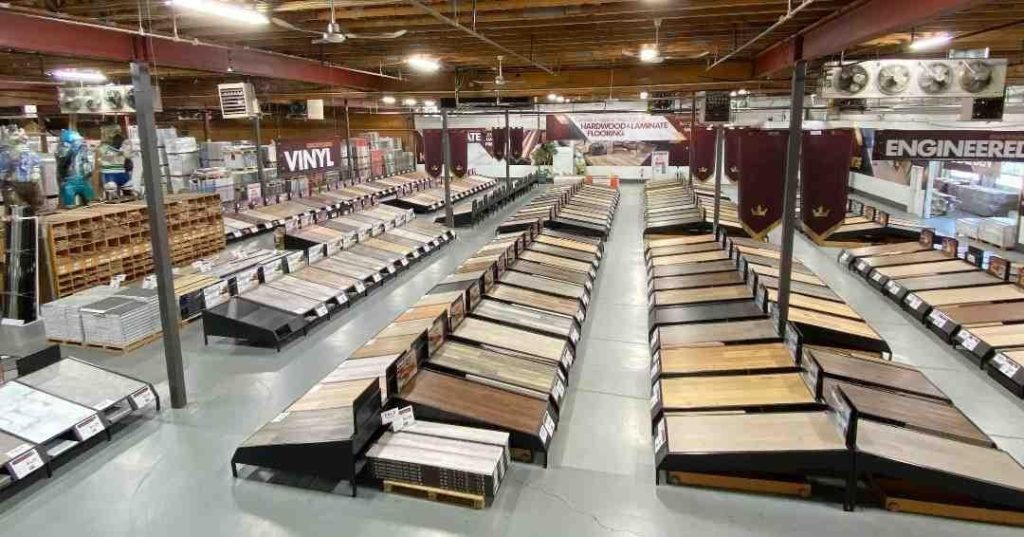
Our expansive Surrey showroom, spanning an impressive 85,000 square feet, is a testament to our commitment to providing an unparalleled selection. With over 10 million square feet of flooring in stock, you’re sure to find the ideal engineered solution to bring your vision to life. From the moment you step through our doors, you’ll discover the benefits of factory-direct pricing, ensuring you receive the best possible value without compromising on quality.
King of Floors has been proudly 100% Canadian since 1984, a legacy built on trust, quality, and customer satisfaction. Our team of professionals offers expert design guidance, helping you navigate the vast array of wood species, finishes, and styles to find the perfect match for your home and lifestyle.
We believe that seeing and feeling the quality of our premium engineered flooring is essential. That’s why we confidently say it’s worth the drive to Surrey to explore our collections firsthand. Don’t settle for anything less than the best for your home. Contact our pros today to begin your flooring transformation. Further discounts may be available, please call for details.