
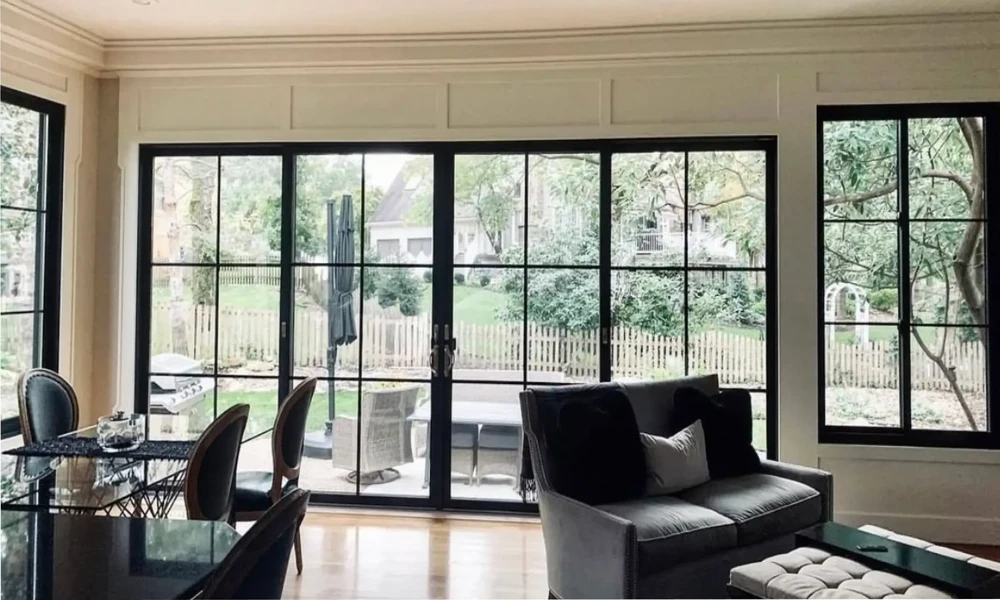
Windows influence far more than the appearance of a home. They affect indoor temperatures, natural light, noise levels, ventilation, energy consumption, and protection from the elements. When windows become difficult to operate, allow drafts, or show signs of moisture damage, replacing them can deliver practical improvements that homeowners notice every day.
Professional window installation in Rhode Island is particularly important because homes across the state must handle changing seasonal conditions, coastal air, wind-driven rain, humidity, and winter temperatures. Homeowners considering new or replacement windows can visit their website to explore available options and learn how properly installed windows can improve the performance and appearance of their property.
Rhode Island Homes Face Demanding Weather Conditions
Rhode Island may be geographically small, but its homes are exposed to varied environmental conditions. Coastal communities often experience strong winds, salt-laden air, and moisture, while inland properties must still contend with freezing temperatures, summer humidity, heavy rain, and rapid weather changes.
Older or poorly installed windows may struggle under these conditions. Small gaps around a window frame can allow cold air to enter during winter and cooled air to escape during summer. Moisture may also work its way behind exterior trim or into wall assemblies, where it can contribute to staining, wood deterioration, peeling paint, and insulation damage.
Quality window installation creates a more effective boundary between the living space and the outdoors. When installers properly measure the opening, prepare the surrounding area, apply flashing, seal gaps, and position the window correctly, the finished unit is better equipped to manage Rhode Island’s variable climate.
Better Indoor Comfort Throughout the Home
One of the most immediate advantages of replacing underperforming windows is improved comfort. Drafts near old windows can make certain rooms noticeably colder than the rest of the home. A living room may feel uncomfortable during winter, or a bedroom facing direct afternoon sunlight may become excessively warm in summer.
Modern windows can help maintain more consistent indoor temperatures. Insulated glass, low-emissivity coatings, gas-filled spaces between panes, and well-designed frames reduce unwanted heat movement through the window. When these features are combined with professional installation, the heating and cooling system does not have to compensate as aggressively for temperature differences.
New windows can also reduce uncomfortable cold surfaces. With an older single-pane window, the interior glass can become extremely cold during winter. Warm indoor air cools as it approaches the glass, creating a downward current that can feel like a draft even when the window is closed. A more efficient insulated glass unit keeps the interior surface warmer and helps create a more comfortable area near the window.
This improvement can make previously avoided spaces more usable. A chair can be placed closer to a window, a dining area may feel more inviting in winter, and bedrooms can maintain steadier overnight temperatures.
Greater Control Over Household Energy Use
Windows are part of the home’s overall energy envelope. If they leak air or transfer heat too easily, the heating and cooling system must work harder to maintain the thermostat setting. The actual improvement achieved through replacement depends on the condition of the existing windows, the home’s insulation, the selected products, and the quality of installation.
Homeowners should evaluate window performance rather than choosing a product based only on appearance. Important characteristics include the U-factor, solar heat gain coefficient, air leakage rating, glass configuration, and frame construction.
A lower U-factor generally indicates better resistance to heat transfer. The solar heat gain coefficient shows how much solar heat passes through the window. The ideal combination may vary depending on the direction the window faces, surrounding shade, room use, and the homeowner’s comfort priorities.
Even a high-performance window, however, can fall short if it is installed poorly. Gaps, inadequate insulation, incorrect flashing, and misaligned frames can undermine the benefits of efficient glass and advanced materials. Product selection and installation quality should therefore be treated as parts of the same project.
Protection Against Water and Moisture Damage
A window must shed water away from the structure, not merely fill an opening in the wall. This is one of the most important reasons to hire experienced installers.
Rainwater can enter around a window when flashing is missing, damaged, or incorrectly layered. Caulk alone should not be expected to provide the entire moisture-management system. A durable installation uses compatible materials and proper sequencing to direct water toward the exterior.
Before installing a replacement unit, professionals should examine the opening for soft wood, staining, mold-like growth, damaged sheathing, and other signs of previous water intrusion. Covering deterioration with a new window may conceal the problem temporarily, but it does not solve it.
Addressing damaged materials before installation creates a sound base for the new window. Careful flashing and sealing then help protect the surrounding wall from future moisture exposure. This is especially valuable for homes near the Rhode Island coast, where wind-driven rain can challenge exterior openings.
Reduced Outdoor Noise
Although windows cannot eliminate every exterior sound, replacing old, loose, or single-pane units may create a quieter indoor environment. This can be useful for homes near busy streets, schools, commercial areas, or active neighborhoods.
Sound performance depends on several factors, including glass thickness, the amount of space between panes, laminated glass options, frame construction, seals, and the quality of installation. Air gaps around a window can transmit both drafts and noise, so careful sealing is essential.
Homeowners who consider noise control a priority should discuss it before selecting their windows. A standard replacement window may provide some improvement, while specialized glass configurations can offer additional sound reduction for particularly noisy locations.
Improved Appearance Inside and Outside
Windows are highly visible architectural elements. Deteriorated frames, cloudy glass, damaged screens, and outdated styles can make a property look neglected even when the rest of the home is well maintained.
New windows provide an opportunity to update the home without changing its fundamental character. Homeowners can choose frame colors, grille patterns, hardware finishes, and operating styles that complement the architecture. The goal does not always have to be a dramatic modern transformation. In many Rhode Island homes, preserving traditional proportions and details produces the most attractive result.
The interior effect can be equally significant. Clean frames and clear glass can make rooms feel brighter and more polished. A thoughtfully selected window style can also improve sightlines and create a stronger visual connection between indoor spaces and the surrounding landscape.
Consistency matters when replacing only part of the home’s windows. New units should coordinate with the windows that will remain, particularly on prominent elevations. Differences in frame thickness, grille design, glass color, and sightlines can become obvious when windows are viewed side by side.
Easier Operation and Everyday Maintenance
Windows that stick, slam shut, refuse to lock, or require makeshift supports are more than an inconvenience. They can discourage natural ventilation and may create safety or security concerns.
A properly installed window should open, close, and lock smoothly. Depending on the selected style, features such as tilt-in sashes or removable components may also make cleaning easier. Durable frame materials and modern finishes can reduce the scraping, painting, and recurring maintenance associated with some older windows.
Installation accuracy directly affects operation. If a frame is not square, level, and properly supported, the sash may bind or fail to seal evenly. This is why careful measuring and adjustment are important even when the window itself is a high-quality product.
Homeowners should test every window after installation. Locks should engage correctly, sashes should move without excessive resistance, and screens should fit securely. Any concern is easier to address while the installation team is still present.
A Potential Advantage When Selling the Home
Replacement windows can strengthen a home’s appeal to prospective buyers. Clear glass, clean frames, secure locks, and smooth operation help create the impression of a property that has been thoughtfully maintained.
Buyers may also value knowing that a major home component has already been updated. Older windows can raise questions about drafts, energy expenses, water intrusion, and future replacement costs. Newer windows with transferable product or installation warranties may provide additional reassurance, depending on the warranty terms.
Window replacement should not be viewed as a guaranteed way to recover every dollar spent. Its contribution to value depends on the property, neighborhood, condition of the old windows, product selection, installation quality, and local market expectations. However, the combination of improved appearance, comfort, functionality, and reduced maintenance can make the home more attractive and easier to present.
Selecting Windows for the Property, Not Just the Showroom
There is no single window configuration that is ideal for every Rhode Island home. A historic property, a coastal residence, a contemporary house, and a multifamily building may each require a different approach.
Frame material is one consideration. Vinyl windows are widely chosen for their efficiency and relatively low maintenance. Fiberglass offers strength and dimensional stability. Wood provides a traditional appearance and can suit architecturally significant properties, but it generally requires more maintenance. Composite products combine materials to achieve particular performance and design goals.
Operating style also matters. Double-hung windows suit many traditional homes and allow ventilation through either sash. Casement windows can provide strong compression seals and unobstructed views. Sliding windows may work well in wide openings, while awning windows can provide ventilation in locations where their outward-opening design is practical.
For coastal homes, homeowners may need to pay closer attention to corrosion-resistant hardware, durable exterior finishes, exposure to wind, and appropriate glass options. The installer should evaluate the actual property rather than recommending the same package for every customer.
Installation Quality Determines Long-Term Performance
Window installation involves more than removing an old unit and fastening a new one into place. A professional process begins with accurate measurements and an evaluation of the existing opening. The installer must then determine whether an insert replacement or a more extensive full-frame installation is appropriate.
Insert windows may work when the existing frame is sound and correctly positioned. They can minimize disruption, but they also reduce the glass area slightly and do not expose concealed conditions behind the old frame. Full-frame replacement removes more of the existing window assembly and may be preferable when there is deterioration, poor original installation, or a need to change the window configuration.
During installation, the unit must be positioned correctly, secured without distorting the frame, insulated around the perimeter, flashed against water intrusion, and sealed with materials suited to the surrounding surfaces. Interior and exterior finishes should then be completed neatly.
Homeowners should ask who will perform the installation, how the surrounding openings will be inspected, what happens if concealed damage is discovered, and which warranties apply to both the product and workmanship. Clear answers can prevent misunderstandings once the project begins.
Planning a Successful Window Replacement Project
A productive consultation should address more than price. Homeowners can prepare by identifying rooms with drafts, condensation, difficult operation, excessive sunlight, exterior noise, or visible deterioration. Photographs and notes can help explain concerns that are more noticeable during particular weather conditions.
It is also important to understand what the proposal includes. The scope should clarify window specifications, glass options, frame colors, grille patterns, screens, hardware, disposal of old materials, interior trim, exterior finishing, and cleanup.
If several windows require replacement, completing the project in phases may be possible. Priorities can be based on active leaks, damaged frames, comfort problems, safety concerns, and exposure to harsh weather. Planning the phases together helps preserve a consistent appearance across the property.
A Home Improvement With Daily Benefits
New windows are not simply decorative upgrades. When chosen carefully and installed correctly, they can improve temperature consistency, reduce drafts, control moisture, lower outdoor noise, simplify maintenance, and refresh the appearance of a home.
The value of professional window installation in Rhode Island comes from matching the product and installation method to the property’s condition, architecture, location, and exposure. Homeowners who focus on long-term performance rather than price alone are more likely to receive results they can appreciate in every season.
A successful project should leave the home more comfortable, functional, weather-resistant, and visually appealing. Those practical benefits can enhance everyday living while also supporting the property’s lasting value.