
Key Highlights
- Modern cleaning services use HEPA filtration and electrostatic spraying to eliminate microscopic pathogens that traditional mopping simply displaces.
- Advanced extraction techniques in fabric sofa cleaning remove deep-seated grit, preventing the abrasive “sandpaper effect” that destroys upholstery fibres over time.
- Beyond visual tidiness, contemporary methods sanitise indoor air and high-touch surfaces, significantly reducing workplace and home illness.
- Smart technology reduces water and chemical waste, proving that high-performance hygiene can also be environmentally responsible.
Introduction
For decades, the “mop and bucket” approach reigned supreme in the world of maintenance. You’d see a cleaner swirling a greyish string mop across a lobby floor, ostensibly “cleaning” the surface. In reality, that traditional method often does little more than redistribute liquefied dirt and cross-contaminate different zones. Modern cleaning services have pivoted away from this antiquated guesswork toward a more clinical, data-driven methodology. Today, the focus has shifted from making a space look clean to ensuring it is biologically and structurally sound.
Why Your Sofa Is a Silent Dust Reservoir
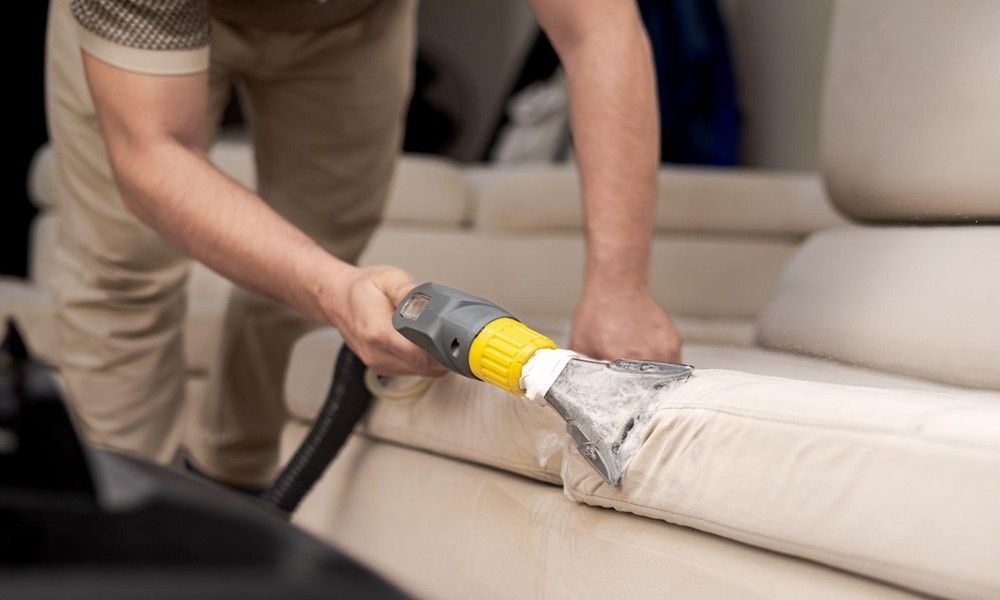
If you look at your living room, the largest filter in your home isn’t the air conditioner-it’s the upholstery. Traditional vacuuming might suck up the surface-level crumbs, but it fails to touch the oily biofilms and skin cells embedded deep within the weave. Professional fabric sofa cleaning now employs hot water extraction and specialised pH-balanced agents that break down grime at a molecular level. Unlike the old-school “scrub and pray” technique, which often left fabrics soaking wet and prone to mould, modern equipment uses high-velocity suction to ensure rapid drying and deep-fibre sanitisation.
Technology vs. Elbow Grease
There is a persistent myth that “elbow grease” is the primary ingredient in a clean home or office. While hard work matters, it cannot compete with an electrostatic sprayer that wraps disinfectant around the undersides of chairs or a HEPA-filter vacuum that traps particles as small as 0.3 microns. Modern cleaning services integrate these technologies to create a “wrap-around” hygiene shield. In a commercial setting, this translates to fewer sick days for staff; in a residential context, it means a significant reduction in household allergens like dust mites and pet dander.
The Microfiber Revolution
One of the most understated leaps in professional hygiene is the transition from cotton rags to split-filament microfibre. Traditional cotton cloths are relatively bulky and often push dirt around until it finds a corner to hide in. Microfibre, however, is designed with a star-shaped cross-section that physically “hooks” onto bacteria and dust, lifting it away from the surface entirely. When cleaning services use colour-coded microfibre systems, they eliminate the risk of the kitchen cloth being used on a bathroom vanity, a standard of hygiene that was rarely guaranteed in the “one-rag-fits-all” era of traditional cleaning.
Protecting the Integrity of Your Assets
Whether it is a plush office carpet or a delicate fabric sofa cleaning requirement, modern methods prioritise the “integrity” of the material. Traditional cleaning often relied on harsh, high-alkaline soaps that left behind a sticky residue. This residue actually acted as a magnet for new dirt, causing the item to get dirtier faster than before it was cleaned. Contemporary professional solutions are rinse-free or neutralising, ensuring that your furniture stays cleaner for longer and the structural integrity of the fibres remains uncompromised.
The Verdict: Smarter, Not Harder
The evolution of the industry is a move toward “preventative” rather than “reactive” care. Instead of waiting for a stain to become permanent or a carpet to look visibly soiled, modern cleaning services use scheduled deep-cleaning cycles that maintain a baseline of clinical hygiene. This proactive stance is particularly vital in high-traffic commercial spaces where first impressions and air quality are non-negotiable.
Conclusion
The shift from traditional to modern cleaning isn’t just about fancier gadgets; it is a fundamental change in how we define “clean.” By prioritising allergen removal, fabric preservation, and microbial control, professional providers offer a level of safety and longevity that a simple broom can never achieve. Investing in these advanced methods is an investment in your environment’s health and the lifespan of your most expensive furnishings.
Contact Clean Care today; your trusted, one-stop professional cleaning company for both residential and commercial spaces. Whether you need a thorough deep clean, regular maintenance, or expert fabric sofa cleaning, their team brings the right tools, training, and standards to every job.