
Key Takeaways
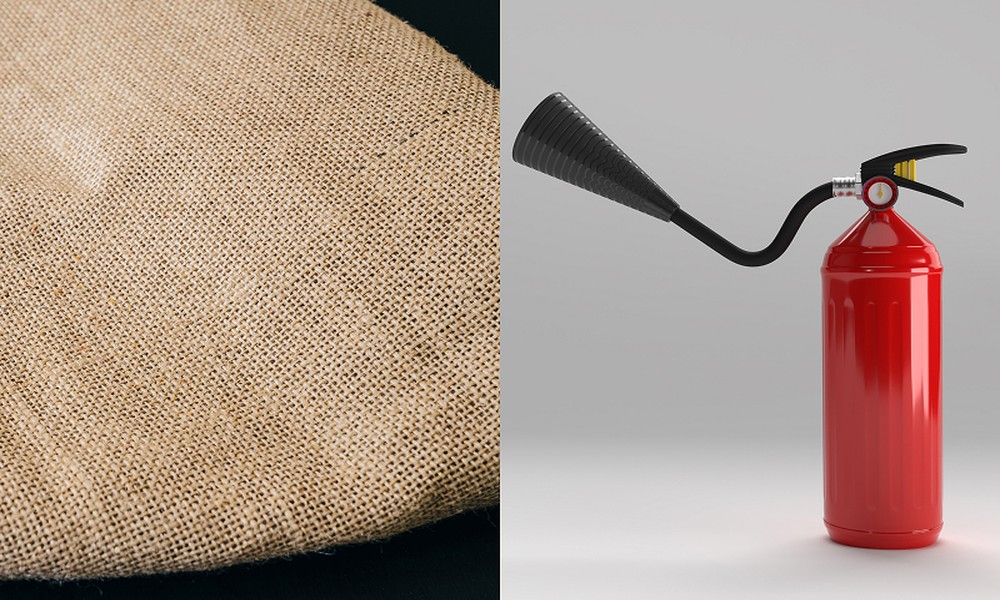
- A fire blanket excels at smothering oil-based cooking fires by cutting off the oxygen supply immediately.
- A foam fire extinguisher handles a wider variety of domestic risks, including small electrical faults and burning fabrics.
- Never use water on a grease fire; instead, rely on dedicated suppression tools to prevent dangerous flare-ups.
Introduction
Cooking a family meal or charging your latest gadgets are parts of your daily routine that you rarely associate with danger. However, you likely know that a small distraction in the kitchen can lead to a pan catching fire. In these high-pressure moments, your brain needs to decide exactly which tool will stop the flames without making the situation worse. Most households choose between a fire blanket and a foam fire extinguisher, often wondering if they truly need both. While both tools aim to save your home, they work in very different ways depending on the source of the heat. A fire blanket offers a physical barrier that smothers flames, making it the primary choice for stovetop mishaps involving oil or grease. On the other hand, a foam fire extinguisher provides a versatile spray that cools and smothers fires involving solid materials or flammable liquids. By equipping your flat with the right combination of safety gear, you protect your loved ones from the unpredictable nature of fire.
1. Smothering Stovetop Fires with a Fire Blanket
The kitchen remains the most common site for residential fires, usually involving overheated cooking oil that ignites suddenly. You should reach for a fire blanket because it provides a clean, non-messy way to kill the flames by depriving them of oxygen. You pull the tabs to release the blanket and carefully drape it over the burning pan, ensuring you protect your hands behind the fabric. Because a fire blanket consists of fire-resistant materials such as fibreglass, it can withstand extreme temperatures without catching fire itself. Unlike an extinguisher, it does not splash burning oil onto other surfaces, which prevents the fire from spreading across your kitchen counter. Keeping one mounted near your stove ensures that you can react within seconds of a flare-up occurring.
2. Using a Foam Fire Extinguisher for Multi-Purpose Risks
While a blanket handles the stove, a foam fire extinguisher offers a more robust solution for fires that have already begun to spread to curtains, furniture, or carpets. The foam creates a cooling layer that prevents reignition, which is crucial for materials that hold heat for a long time. You may find that a foam fire extinguisher is easier to use from a distance, allowing you to stay back while you aim the nozzle at the base of the fire. Having a foam fire extinguisher in your hallway or living room provides a second line of defence if a kitchen fire escapes the pan.
3. Dealing with Electrical Faults and Gadget Fires
If a power strip shorts out or a phone battery begins to hiss and spark, you need a tool that can handle the specific chemistry of an electrical fire. While you should never use water, a foam fire extinguisher is often rated to handle limited electrical risks, though you should always check the label for the specific electrical safety symbol. Alternatively, a fire blanket can be used to wrap a small, smoking electronic device to contain the heat and prevent sparks from igniting nearby upholstery. However, once a battery actually ignites, the chemical reaction is intense, and a foam fire extinguisher provides a more effective way to suppress the surrounding area.
4. Ease of Use and Family Training
The best safety tool in the world is useless if no one in the house knows how to operate it during a crisis. A fire blanket is incredibly intuitive, as it is easy to use. However, you should also teach every adult in the house how to use a foam fire extinguisher using the standard pull-aim-squeeze-sweep method. Because these tools are lightweight and portable, even older teenagers or domestic helpers can use them effectively to protect the home while you are away. You should perform a quick check of your foam fire extinguisher every few months to ensure the pressure gauge stays in the green zone. Likewise, inspect your fire blanket to ensure the packaging remains intact and the fabric shows no signs of wear.
5. Storage and Accessibility in Modern Flats
In a typical condo or Housing Development Board (HDB) unit, space is at a premium, so you must store your safety gear where it remains accessible but out of the way of daily chores. A fire blanket should always be in the kitchen, ideally mounted on a wall or the inside of a cabinet door away from the actual stove. Your foam fire extinguisher belongs in a central location, such as a hallway or near the main exit, where you can grab it on your way to any room in the house. By having both a fire blanket and a foam fire extinguisher, you create a safety zone that covers every likely fire scenario in a domestic setting.
Conclusion
Investing in the right tools is the first step toward ensuring your household can survive a fire with minimal damage. By choosing to keep both a fire blanket and a foam fire extinguisher, you address the unique risks of the kitchen as well as the broader dangers of electrical and material fires. These two items complement each other perfectly, providing a layered defence that keeps you in control during those first few terrifying minutes. As you maintain your equipment and train your family, you build a culture of safety that lasts for years. Your home serves as your sanctuary, and protecting it with professional-grade tools is a mark of a truly responsible homeowner. With a clear plan and the right gear, you ensure that a small spark never turns into a life-changing tragedy.
For essential safety tools that are crucial to your household, contact Brave Fire today.