
Key Takeaways
- Split AC installation cost is not just the unit price; labour, materials, and site conditions make up a significant portion.
- Aircon cleaning affects long-term costs by reducing early replacement and system strain.
- Copper piping, trunking, and electrical work are major cost drivers that vary by property layout.
- Some components are negotiable, especially labour scope, add-ons, and bundled servicing.
- Understanding itemised quotes prevents overpaying and reduces disputes post-installation.
Introduction
Many homeowners assume the split AC installation cost is a fixed, standardised figure. In reality, it is a combination of several moving parts, each influenced by property type, system configuration, and installation complexity. However, without understanding these components, it is easy to overpay or agree to unnecessary add-ons. Similarly, ongoing maintenance, such as aircon cleaning, plays a role in how often you face installation or replacement decisions.
Discover what actually goes into installation pricing and where negotiation is realistically possible.
Equipment and System Configuration
The first layer of split AC installation cost comes from the system itself. This system includes the indoor fan coil units, the outdoor condenser, and the system classification (single split, multi-split, or system 3/4 setups). Larger systems with more indoor units increase both equipment and installation complexity, particularly when routing multiple connections to a single condenser.
However, equipment pricing is usually less flexible compared to installation-related charges. Brands and capacity requirements limit how much adjustment can be made. What homeowners can control is whether the system size is appropriate. Oversizing leads to unnecessary upfront costs, while undersizing creates inefficiencies that eventually increase servicing and replacement frequency.
Installation Materials
A significant portion of the split AC installation cost comes from materials, especially copper piping, insulation, and trunking. Copper prices fluctuate, and longer piping runs increase total cost quickly. Layout matters-units installed far from the condenser require more materials and labour time.
Trunking, often overlooked, also contributes to cost depending on design preferences. Concealed piping within walls may reduce visible clutter but increases labour and hacking requirements. Electrical wiring and circuit adjustments further add to the material list, particularly in older properties that need upgrades to handle new systems.
These material costs are not entirely fixed. Installers may quote different grades of materials or include buffer lengths that exceed actual requirements. This instance is one of the areas where itemised clarity matters before agreeing to a final price.
Labour and Site Complexity
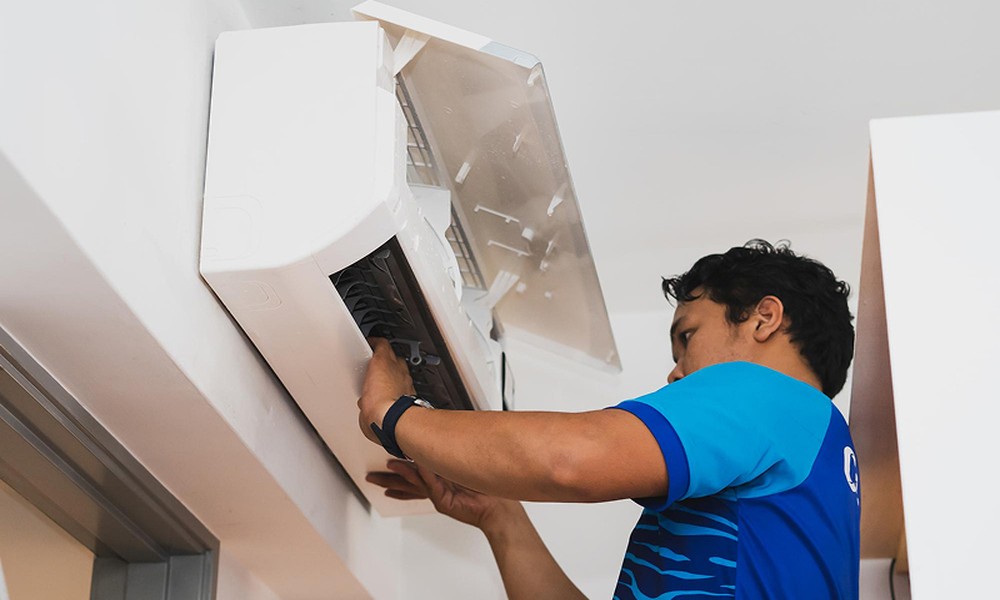
Labour is the most variable component of split AC installation cost. Simple installations with direct access and minimal drilling are faster and cheaper. In contrast, high-rise units, restricted access areas, or installations requiring scaffolding significantly increase labour charges.
Site conditions such as wall thickness, structural constraints, and distance between units directly impact installation time. Older buildings may also require additional work to comply with current electrical or mounting standards.
Unlike equipment pricing, labour is often negotiable. Contractors may bundle services or adjust pricing depending on competition, workload, or whether multiple units are installed at once. Understanding the scope of labour included-such as dismantling old units or patching walls-helps prevent hidden charges later.
Add-Ons, Upgrades, and Hidden Charges
Many homeowners underestimate how optional add-ons inflate the split AC installation cost. Common examples include upgraded insulation, extended warranties, chemical cleaning packages, or decorative trunking.
This instance is where aircon cleaning in Singapore becomes relevant. Some contractors bundle initial servicing or cleaning packages into installation deals. While this can provide value, it should be assessed separately rather than accepted as part of a vague “package” price. Regular cleaning reduces system strain, which in turn delays costly replacements, but it should not be used to justify inflated installation fees.
Hidden charges may also appear in the form of additional piping length, transport fees, or disposal of old units. These should be clarified upfront to avoid post-installation disputes.
What You Can Actually Negotiate
Not every part of the split AC installation cost is open to negotiation, but several components are. Labour charges, add-ons, and bundled services are the most flexible. Homeowners can request breakdowns, remove unnecessary upgrades, or compare multiple quotes to pressure pricing adjustments.
Material specifications can also be discussed. While cutting corners on quality is not advisable, there is room to align material choices with actual requirements rather than default premium options. Scheduling flexibility may also influence pricing, as some contractors offer better rates during off-peak periods.
The key is transparency. Contractors are more likely to adjust pricing when they know the homeowner understands the breakdown and is comparing alternatives.
Conclusion
Split AC installation cost is built from equipment, materials, labour, and optional add-ons, not a single fixed figure. Each component varies based on property conditions and contractor practices. Homeowners can make more informed decisions by understanding where costs originate and how aircon cleaning supports long-term system performance. Negotiation is possible, but only when the quote is clearly broken down and evaluated against actual needs rather than assumptions.
Contact Newway Air Conditioning to work with an air conditioning specialist who breaks down every component of your split AC installation cost clearly.